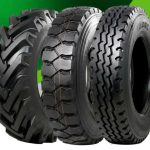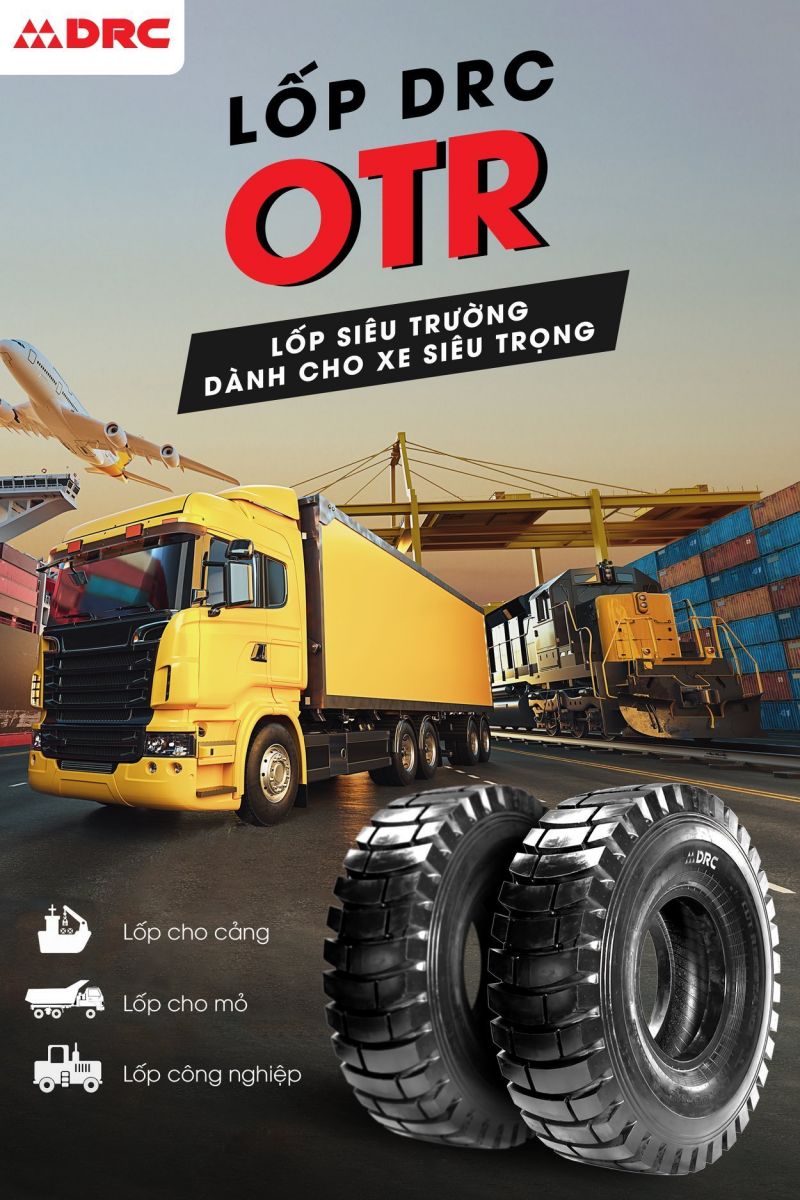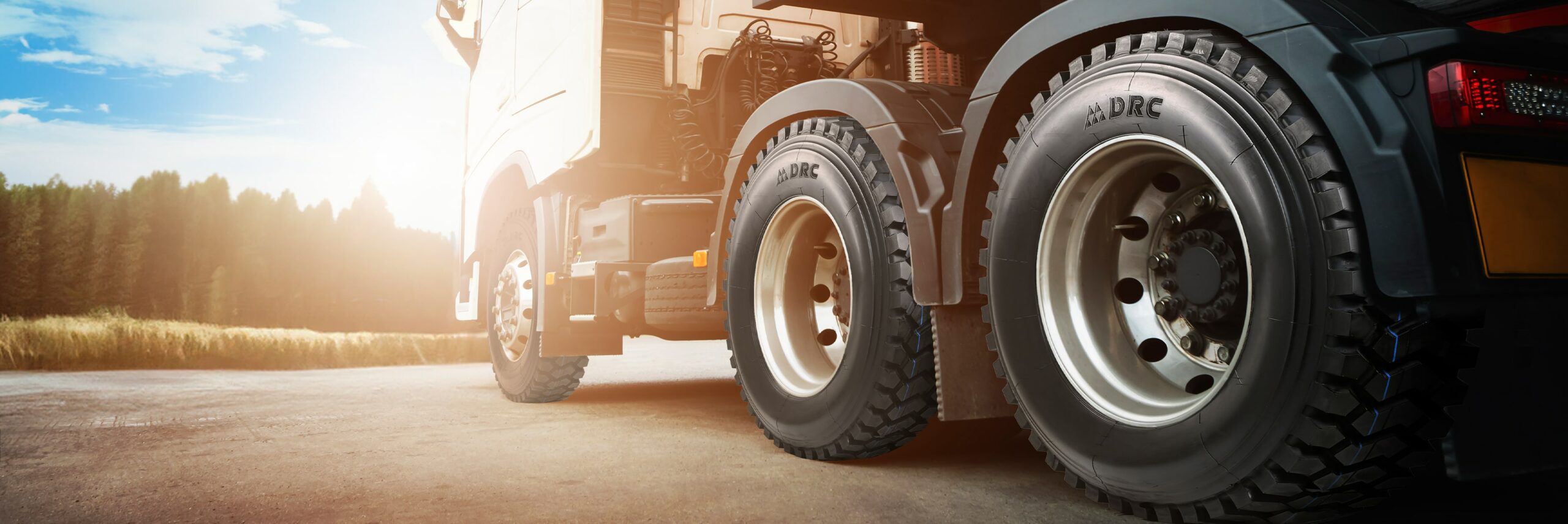

On today’s market, counterfeit and imitation DRC tires are becoming increasingly sophisticated, directly impacting operational safety and economic efficiency. With years of experience in the tire industry, I will guide you on how to identify genuine vs counterfeit DRC tires on the market using four core inspection steps, ensuring that you select authentic products with optimal quality.
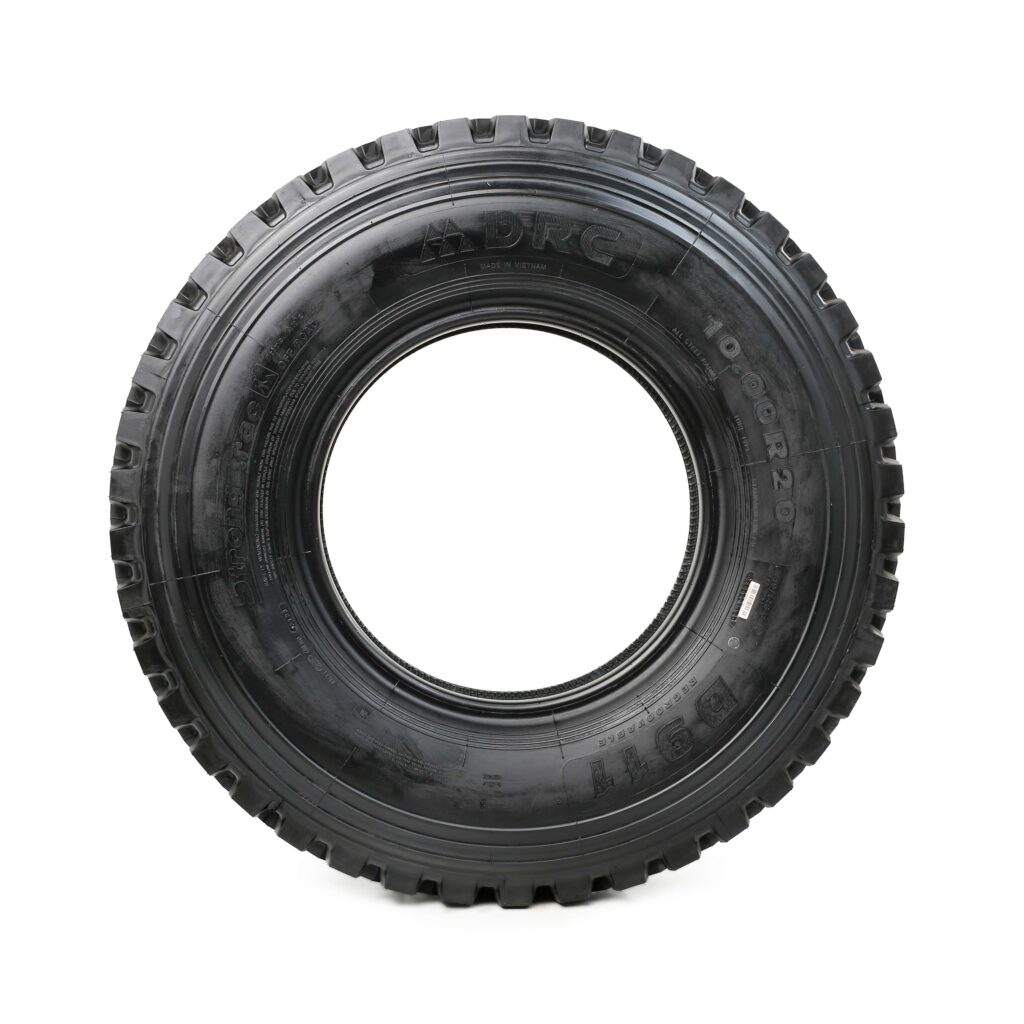
Investing in a quality tire is an investment directly linked to the safety and performance of your vehicle. However, the high profit margin of counterfeit goods has driven many fraudulent commercial activities. To protect your legitimate rights and your safety, consumers need to equip themselves with basic identification knowledge. Below is a professional four-step inspection process.
1. Inspect the Packaging and Labels
This is the initial verification step, but it carries decisive value. DRC has implemented multiple layers of protection on its products, and here is what we must check:
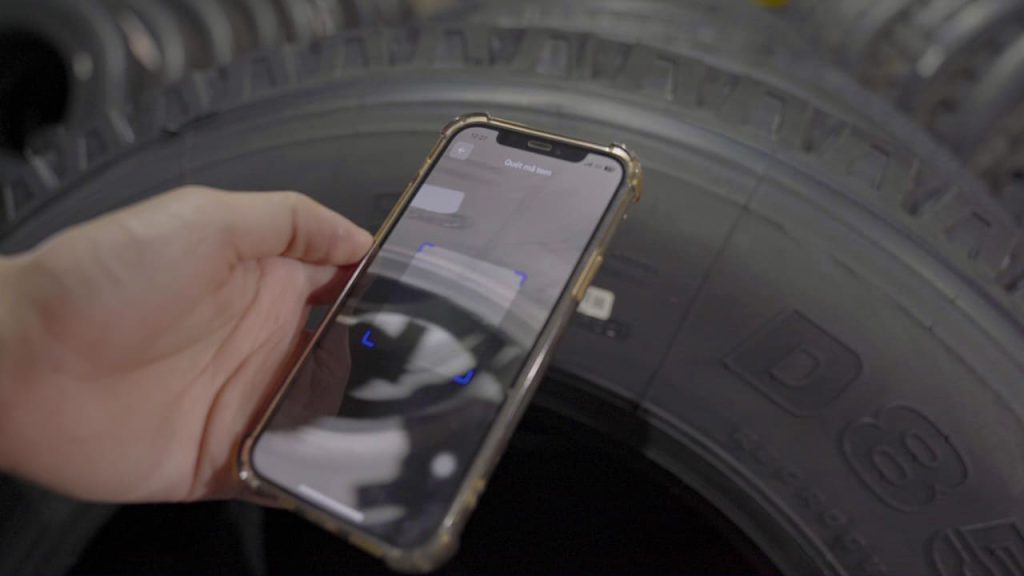
Anti-Counterfeit Seal and QR Code:
Every genuine DRC tire is equipped with a standardized anti-counterfeit seal. The most crucial feature is the QR code. Use your smartphone to scan and retrieve data from this code. A genuine product will return a verification result from DRC’s system. If the QR code is invalid, cannot be scanned, or redirects to a suspicious website, this is the first and clearest warning sign.
Print Quality:
Observe the packaging (if any) and all adhesive labels on the tire. Genuine products have high-quality printing: sharp logos and lettering, consistent colors, and clean edges. Counterfeit items often show poor print quality, fading colors, peeling labels, and blurred or smudged details.
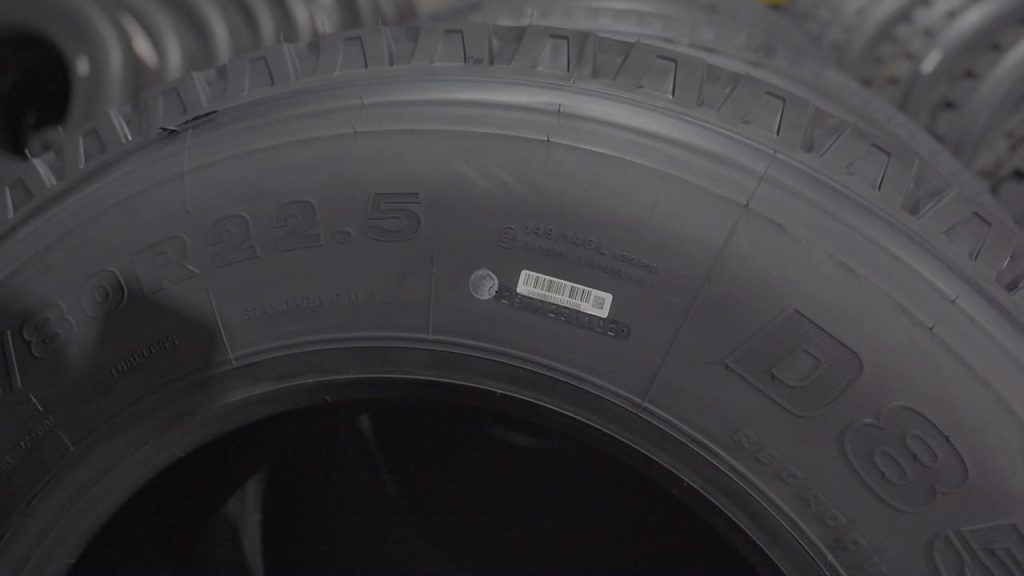
2. Analyze Technical Engravings on the Tire Sidewall
The sidewall contains the tire’s complete identification information. Differences in manufacturing technology are most noticeable in these details.
Precision of Mold Engravings:
DRC’s official molding technology ensures all technical characters (size, load and speed index, DOT code, production date) are sharp, consistent, and deeply engraved with smooth, even surfaces and clean edges.
Irregularities Found in Counterfeit Tires:
Counterfeit producers often rely on outdated, rudimentary molds. As a result, technical markings appear shallow, uneven in thickness, rough in texture, or with excess raised material. These are machining errors that genuine, QC-approved products will never have.
3. Evaluate Rubber Material Quality and Manufacturing Finish
Beyond external indicators, how to Identify Genuine vs Counterfeit DRC Tires on the Market is strongly determined by material quality. Consumers can self-assess using the following signs:
Rubber Compound:
Genuine DRC tires use high-quality rubber compounds, delivering a firm feel and proper mechanical elasticity when pressed firmly. The surface is smooth and consistent. Counterfeit tires often have rough textures, abnormal softness or hardness due to high impurity content, which negatively affects grip and lifespan.
Material Odor:
The natural rubber scent of genuine products (a result of proper vulcanization) differs significantly from the harsh chemical odor or burnt smell commonly found in low-grade recycled rubber used in counterfeit items.
Finish Quality:
Inspect the edges and groove details. Genuine products demonstrate high finishing quality with sharp, clean details. Counterfeit tires usually show leftover marks from careless manufacturing processes.
4. Choose Authorized Distributors – The Golden Principle for Ensuring Authenticity
All inspection methods can be bypassed through increasingly advanced counterfeiting techniques. Therefore, the most fundamental and safest principle is to purchase only from certified DRC distributors.
Purchase Only at Authorized Points of Sale:
Always prioritize buying from official dealers and distributors. These locations are publicly listed for consumer verification.
Request Complete Documentation:
A transparent transaction always includes a VAT invoice and an official warranty card. These legal documents protect your rights—and they are something counterfeit sellers simply cannot provide.
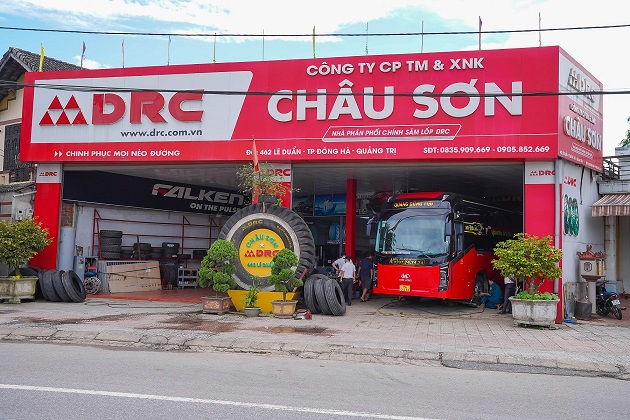
In conclusion, mastering how to Identify Genuine vs Counterfeit DRC Tires on the Market from counterfeit ones requires careful observation and basic technical knowledge. Equipping yourself with these skills is not only about protecting your assets it is an investment in your safety on every journey. We hope these guidelines will serve as a valuable reference, helping you make informed and confident purchasing decisions.
Read more: Which Truck Tires Are the Best to Optimize Cost and Performance