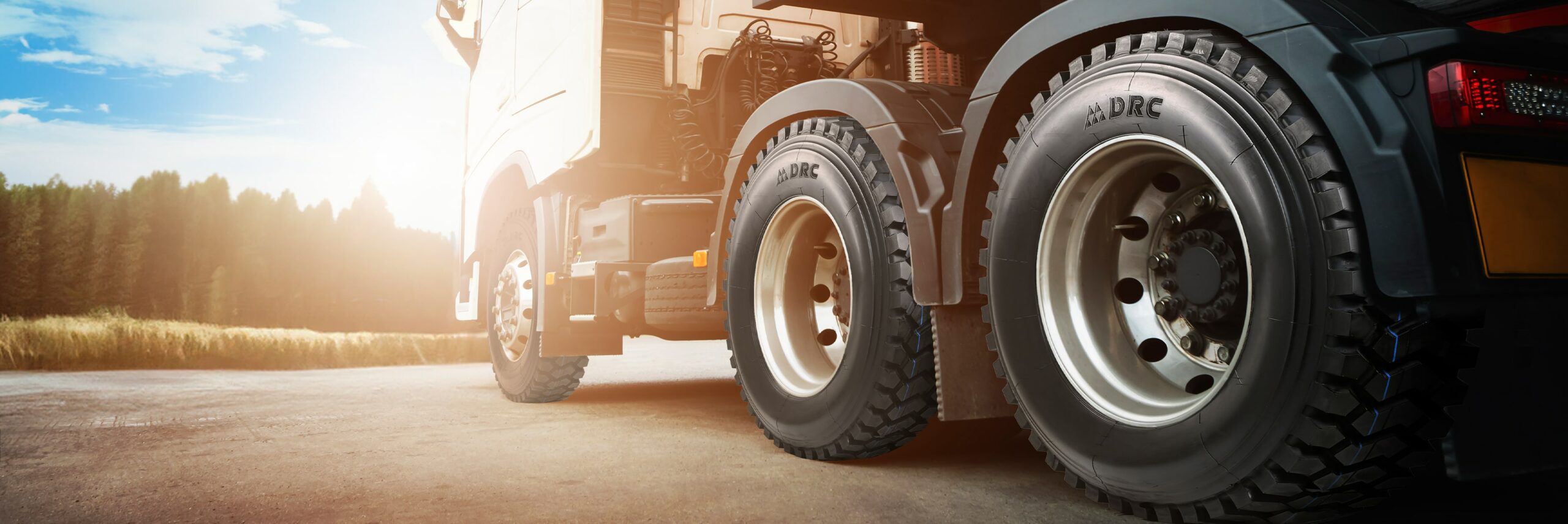

During operation, truck tires are the components that endure the greatest pressure, bearing the entire load while directly affecting safety, durability, and fuel efficiency. However, many drivers tend to overlook regular tire pressure checks, causing tires to become underinflated without realizing it.
DRC helps you clearly identify the signs of underinflated truck tires, understand the risks of continued operation in this condition, and provides guidance on timely inspection and corrective actions to protect your vehicle and ensure safety on every journey..

1. Why Is Checking Truck Tire Pressure So Important?
Truck tires differ from passenger car tires in that they must carry heavy loads, travel long distances, and often operate in harsh conditions. If tires are not inflated to the correct pressure:
-
Friction between the tire and road surface increases, leading to rapid wear and excessive heat buildup.
-
Uneven traction causes poor handling, reduced stability when cornering or braking suddenly.
-
Fuel consumption increases due to higher rolling resistance.
Therefore, understanding the signs of underinflated truck tires not only helps reduce maintenance costs but also ensures operational safety and extends tire lifespan.
2. Signs That Your Truck Tires Are Underinflated
There are several indicators that your truck tires may be underinflated. Below are the most common signs drivers should pay close attention to:
2.1. Sluggish Performance and Increased Fuel Consumption
When tires are underinflated, the contact patch with the road becomes larger, increasing rolling resistance. As a result, the vehicle feels sluggish, accelerates slowly, and consumes significantly more fuel—especially noticeable on long-distance routes or downhill driving.
2.2. Uneven Wear on Both Tire Shoulders
One of the clearest signs of underinflated truck tires is accelerated wear on both shoulders compared to the center of the tread. Low pressure causes the sidewalls to flex more, increasing friction and wear. If this pattern is observed, tire pressure should be checked immediately.
2.3. Steering Vibration or Vehicle Pulling to One Side
When one or more tires are underinflated, uneven weight distribution can cause steering wheel vibration or the vehicle to pull to one side. This is often most noticeable at moderate speeds (40–70 km/h) or during highway driving.
2.4. Unusual Tire Noise or Burning Rubber Smell
Underinflated tires force the sidewalls to work harder, generating excessive heat. After driving for a while, you may hear abnormal noises or notice a light burning rubber smell—both are warning signs that require immediate inspection.
2.5. Vehicle Instability When Cornering or Braking
If the vehicle feels unstable or sways excessively during turns or braking, uneven tire pressure may be the cause. This condition poses serious safety risks if not addressed promptly.
3. Causes of Underinflated Truck Tires
Understanding the causes helps prevent the issue more effectively:
-
Infrequent pressure checks during long trips
-
Leaking valves or aging rubber seals
-
Small punctures or nails that go unnoticed
-
Ambient temperature changes: lower temperatures reduce tire pressure, especially in cold seasons
-
Overloading: excessive load causes pressure loss even after proper inflation
All these factors can silently lead to underinflated tires, creating serious risks if not detected early.
4. Risks of Prolonged Underinflated Tire Operation
Underinflated tires not only affect driving comfort but also cause serious consequences:
-
Increased safety risks: Excessive heat can lead to ply separation, bulging, or sudden blowouts
-
Reduced tire lifespan: Tire life can decrease by 25–30% when frequently operated under low pressure
-
Higher fuel consumption: Tests show that a 20% pressure drop can increase fuel use by up to 10%
-
Damage to suspension and rims: Uneven pressure overloads suspension components, reducing overall durability
Early detection and proper handling of underinflated tires are therefore essential in professional truck maintenance plans.
5. How to Check and Handle Suspected Underinflated Tires
5.1. Use a Tire Pressure Gauge
This is the simplest and most accurate method. Each truck tire model has a recommended pressure level (printed on the sidewall or in the vehicle manual). If measured pressure is 10–15% below the standard, additional inflation is required.
5.2. Visual Inspection and Driving Feel
Observe the tire from the side: bulging sidewalls or a wider contact patch often indicate low pressure. While driving, a “heavy steering” feel or increased throttle demand also signals the need for inspection.
5.3. Inflate to the Correct and Even Pressure
Always inflate tires when they are cold for accurate readings. Avoid overinflation, as overly stiff tires are prone to blowouts under high temperatures. For heavily loaded vehicles, increase pressure by approximately 10% above standard recommendations.
5.4. Use Tire Pressure Monitoring Systems (TPMS)
Many professional truck drivers now use TPMS, which monitors tire pressure and temperature in real time, allowing early detection of underinflation or overinflation.
5.5. Schedule Regular Inspections at Authorized Service Centers
Every 1–2 months, have your truck inspected at a reputable service center or authorized dealer. Technicians can check pressure, perform wheel balancing, and conduct in-depth tire condition assessments to ensure safety on long hauls.
6. Preventive Measures Against Underinflated Truck Tires
-
Check tire pressure before every long trip
-
Follow DRC’s recommended inflation guidelines
-
Avoid overloading and excessive sudden braking
-
Regularly inspect and clean valves and valve caps
-
Replace tires when tread reaches the TWI wear indicator
In addition, choosing genuine DRC truck tires—manufactured to international standards with high load-bearing capacity, heat-resistant sidewalls, and excellent air retention—helps minimize underinflation risks during use.
A properly selected DRC tire, inflated to the correct pressure and maintained regularly, not only ensures driving safety but also helps transport businesses significantly reduce fuel and replacement costs.
Understanding the signs of underinflated truck tires is the key to proactive risk prevention and safe operation on every journey.
Read more: Do DRC Tires Create Noise? A Technical Explanation