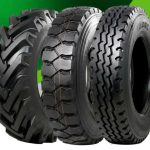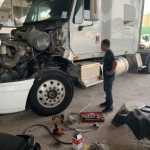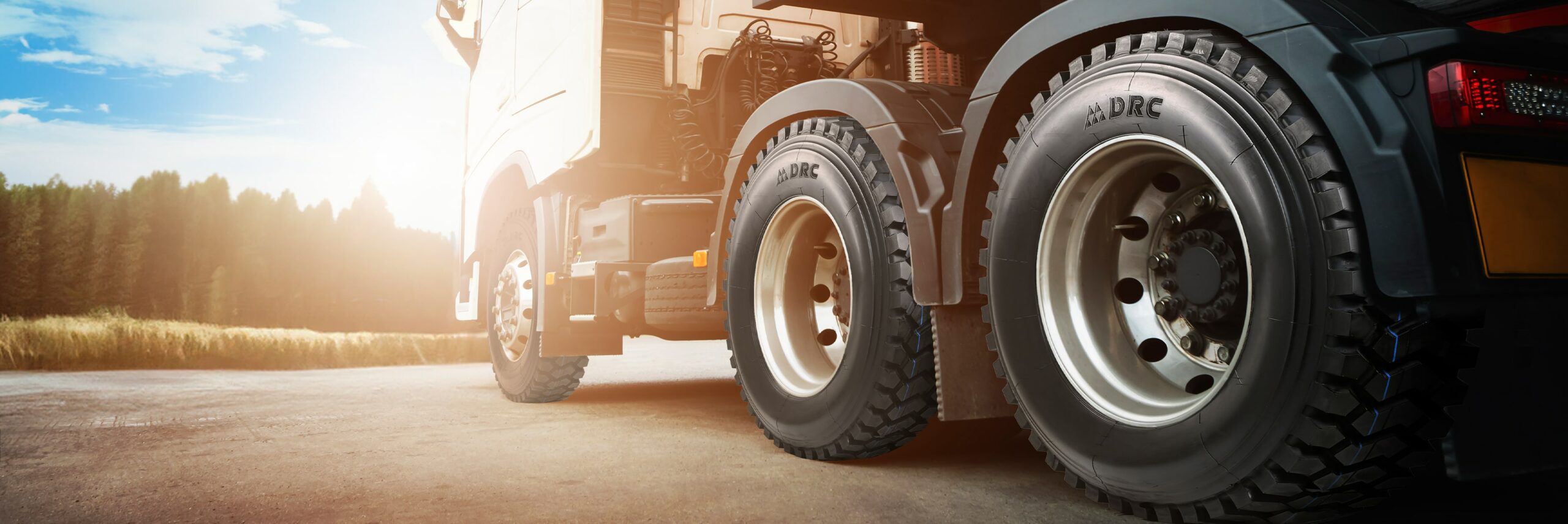

In long-distance transportation, tire maintenance for trucks is a critical aspect that cannot be underestimated. Tires are the only components that make direct contact with the road, bearing heavy loads and directly affecting safety, fuel efficiency, and operating costs. However, many drivers and fleet owners still lack proper tire maintenance knowledge, which leads to rapid wear, vehicle vibration, fuel waste, and increased risks on long journeys.
DRC shares 7 essential tire maintenance tips for trucks, compiled from real-world driving experiences and technical recommendations from DRC tire experts.

1. Check Tire Pressure Regularly – the Most Important Basic Step
- Tire pressure is the “health indicator” of the tire. Incorrect inflation accelerates wear and reduces traction and load-carrying capability.
- Under-inflated tires increase road contact area, generate excessive heat, cause shoulder wear and significantly increase the risk of tire blowouts at high speeds.
- Over-inflated tires reduce traction, cause center tread wear and make the ride rougher.
- Drivers should check tire pressure at least once a week, especially before long trips or heavy-load transportation. Using a digital pressure gauge ensures higher accuracy than visual checking.
- Each tire model has its own recommended pressure level, printed on the sidewall or in the vehicle’s technical manual. Maintaining the correct pressure standard helps extend tire life and save up to 3–5% fuel.
2. Rotate Tires Regularly for Even Wear and Vehicle Stability
One important but often overlooked Tire Maintenance Tips for Trucks is rotating tires every 20,000–25,000 km.
Due to differences in weight distribution and steering angle, front axle tires tend to wear faster than those at the rear. Tire rotation helps ensure even wear, maintain vehicle balance, improve stability, and extend total tire lifespan.
The optimal rotation pattern depends on the vehicle structure (2-axle, 3-axle, or tractor-trailer).
3. Wheel Alignment (Toe and Camber Adjustment)
Uneven tread wear or steering pull while driving straight are common signs of misaligned wheels.
Incorrect alignment creates abnormal friction on the tread, causes irregular wear patterns, and increases rolling resistance leading to higher fuel consumption. For heavy trucks operating long distances, lack of alignment maintenance can reduce tire lifespan by 20–30%.
Experts recommend wheel alignment twice per year, or after tire replacement or steering system maintenance.
4. Monitor Tread Depth to Ensure Optimal Braking and Traction
Tread depth acts as the tire’s “grip claws” when braking, cornering, or driving on wet surfaces. When tread depth is below 1.6 mm, traction is significantly reduced—extremely dangerous during emergency braking or in slippery road conditions.
Use a tread depth gauge or visually check the TWI wear indicator on DRC tires. If tread is level with or near the indicator bar, replacement is required for safety.
For long-haul trucks, timely tire replacement also reduces heat buildup and prevents mid-journey breakdowns.
5. Clean Tires and Protect Them from Environmental Impacts
Dust, chemicals, oil, and UV rays accelerate tire aging causing cracking, hardening, and reduced elasticity. Therefore, regular tire cleaning is an essential part of maintenance.
Use clean water and mild cleaning solutions avoid harsh chemicals. For vehicles parked long-term, store in shaded areas, maintain proper tire pressure, and avoid prolonged exposure to direct sunlight.
6. Inspect Air Valves and Rims Regularly
Though small, the valve stem plays a crucial role in maintaining stable tire pressure. A damaged or leaking valve can result in unnoticed air loss.
- Replace valve stems whenever installing new tires
- Check rubber seals around the valve for cracks or hardening
- Consider valve caps with pressure indicators for long-haul trucks
Rims should also be checked for roundness, air seal condition, and corrosion because they directly affect tire seating and balance.
7. Choose High-Quality Tires Suitable for Load Requirements
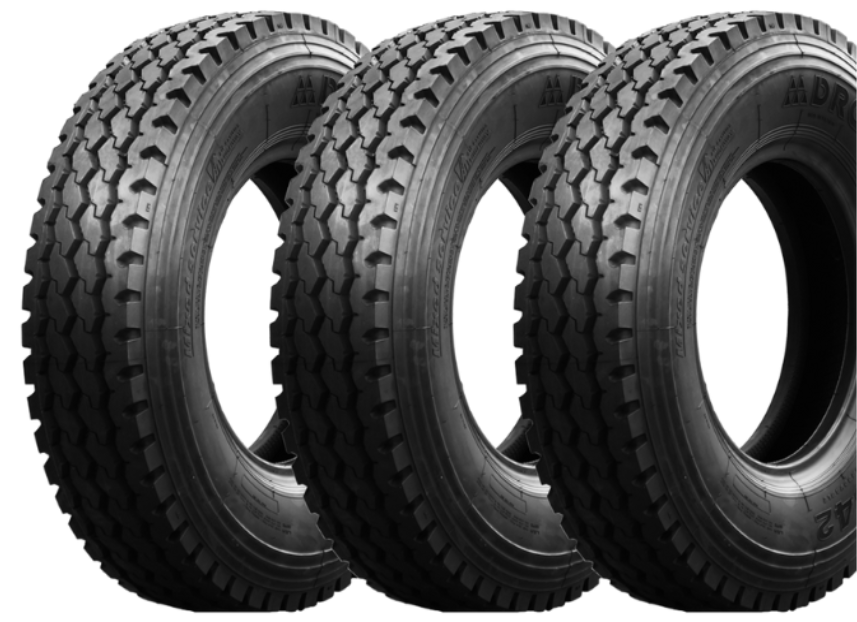
Initial tire quality greatly influences maintenance results. High-quality tires offer better durability, easier upkeep, consistent performance, and higher load stability.
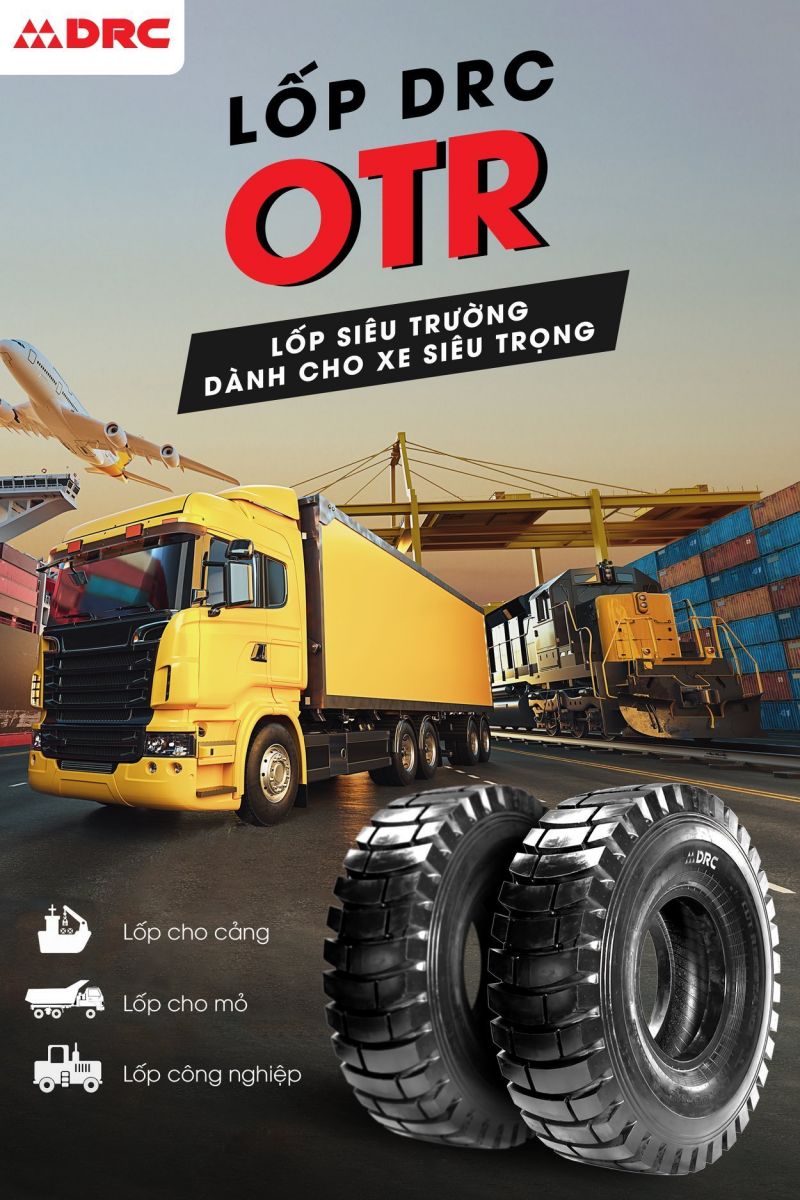
DRC truck tires are designed with high-grade raw materials, advanced structural technology, and optimal performance for diverse terrains ensuring better fuel economy, lower heat generation, strong traction, and reliable durability for heavy-duty and continuous operations.
Read more: Proper DRC Tire Inflation Guide for Meeting Technical Standards