
When it comes to vehicle safety and driving performance, tires are absolutely critical. Even if you are using high-quality DRC tire, knowing the right time to replace them and recognizing the warning signs is extremely important.
1. What Is the Average Lifespan of DRC Tires?
The lifespan of DRC tires depends on various factors including driving conditions, habits, load weight, and maintenance routines. Typically:
- DRC motorcycle tires: average 30,000 – 35,000 km, or 3 – 4 years of use.
- DRC passenger car tires: around 60,000 – 80,000 km, equivalent to 4 – 6 years.
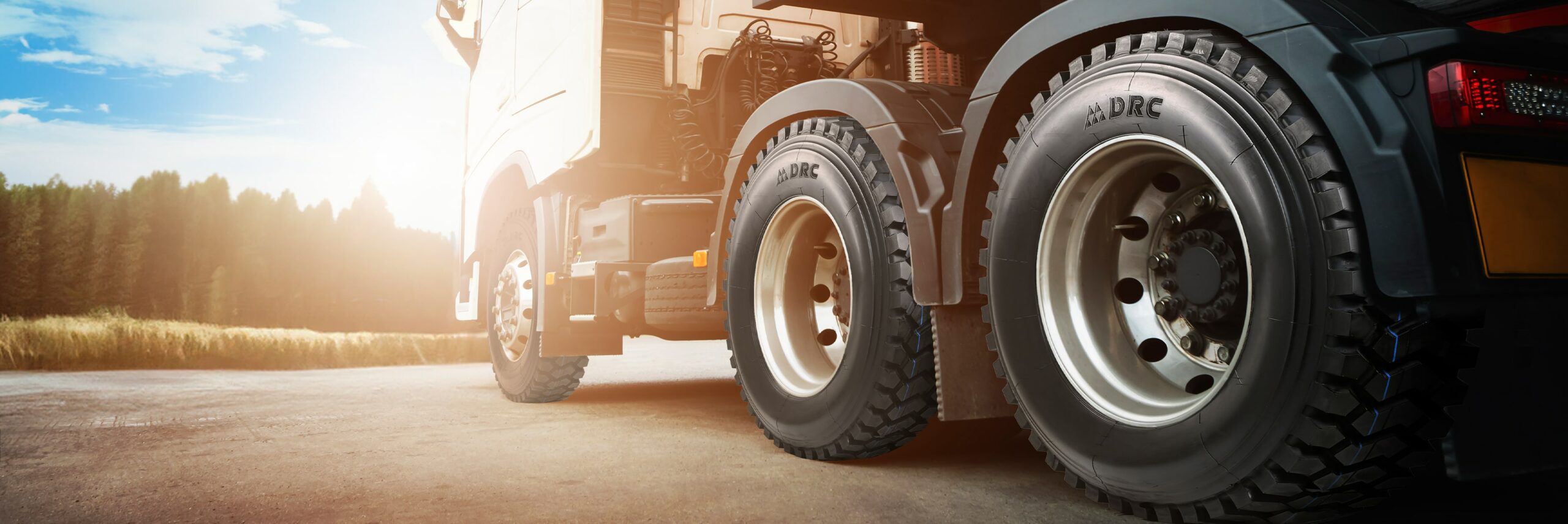
- DRC truck tires: may reach 90,000 – 110,000 km if properly maintained and rotated.
These numbers are based on standardized test mileage. In real conditions, rough roads, hot climates, and frequent heavy loads can shorten tire lifespan significantly.

2. Signs That Your DRC Tires Need Replacement
Mileage is not the only indicator — drivers should closely observe the following signs:
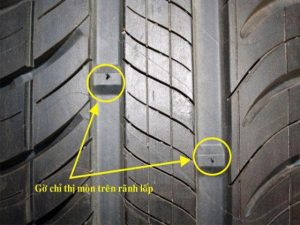
- Tread wear: If the tread is worn down to the TWI – Tread Wear Indicator, traction and road grip are greatly reduced.
- Cracks or bulges: Rubber aging leads to small cracks or swelling on the tire sidewall.
- Uneven wear: Wear on one side, the center, or both edges indicates improper tire pressure or misaligned wheels.
- Unusual vibration while driving: If balancing or alignment doesn’t fix the vibration, the tire may be deteriorating.
- Over 5 – 6 years in use: Even if the tread looks fine, aged rubber loses flexibility and grip
3. Why Should You Replace Tires at the Right Time?
Many drivers try to keep tires until the “last breath” to save money — this is a dangerous mistake:
- Over-worn tires can skid easily, especially in sudden braking or on wet roads.
- Old tires can lead to unexpected failures, especially for heavy-duty trucks.
- Increased rolling resistance causes higher fuel consumption.
Replacing tires at the right time not only ensures safety but also improves comfort and reduces long-term operating costs.

4. DRC’s Advice for Drivers
- Inspect tires once per month, checking tread depth, inflation pressure, and rubber surface condition.
- Rotate tires every 8,000 – 10,000 km for more even wear.
- Maintain the suspension system and wheel alignment to prevent premature tire wear.
To answer the question: “How do I know when it’s time to replace my tires?”
Besides average lifespan, watch for warning signs such as cracks, bulges, uneven wear, or vibration.
A healthy set of tires is the foundation for a safe, efficient, and durable driving experience.