
For heavy-duty trucks, tires are not just the components that touch the road they directly affect driving performance, fuel efficiency, and safety throughout the journey.
Understanding the different types of heavy truck tires will help you make the best choice, ensuring both economic efficiency and long-term durability.
1. General Classification of Heavy Truck Tires
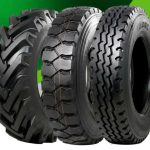
Today, heavy truck tires in the market are categorized into two main structural groups:
- Bias Tires
- Radial Tires
They can also be classified by operating conditions — such as highway tires or off-road tires — or by installation positions including steer tires, drive tires, and trailer tires. Each type has a unique structure affecting durability and fuel efficiency.
2. Bias Tires: Traditional Durability for Harsh Terrain
Bias tires are commonly used on dump trucks, construction trucks, or vehicles operating in tough environments. Their structure features crisscrossed ply layers (fabric or nylon), providing strong rigidity and exceptional load-bearing capability.
Advantages:
- Excellent load capacity and resistance to impact; suitable for construction sites, rocky roads, mining conditions.
- Lower initial investment cost; easier to repair and replace.
- Simple structure, ideal for extremely harsh working conditions.
Disadvantages:
- Generates more heat during long-distance driving, reducing tire lifespan.
- Less comfortable ride and higher fuel consumption compared to radial tires.
Not suitable for high speed or continuous highway operation.
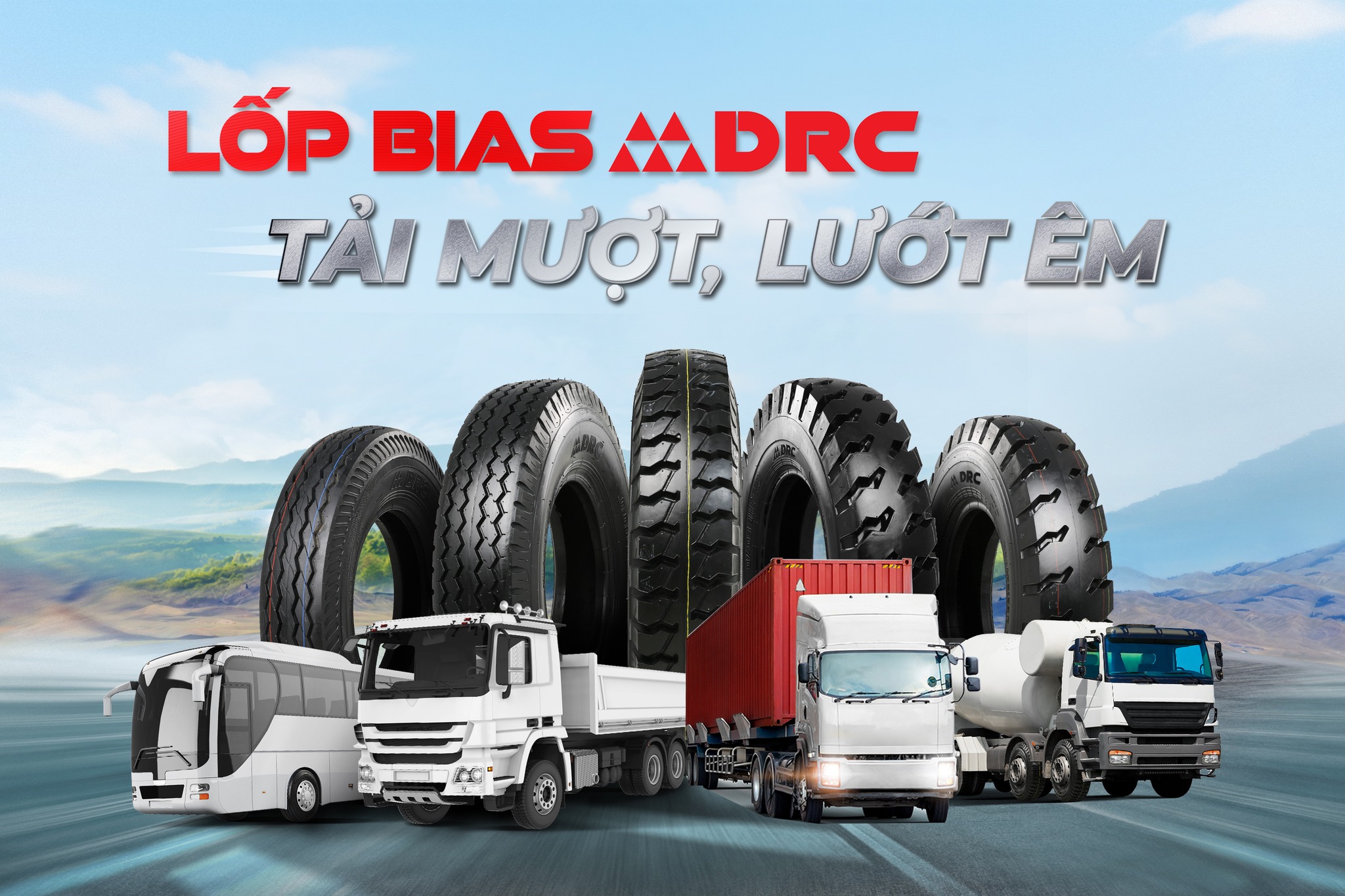
DRC bias tires are ideal for heavy-duty trucks operating on complex terrains requiring high durability and load strength.
3. Radial Tires: Modern Solution for Superior Efficiency and Durability
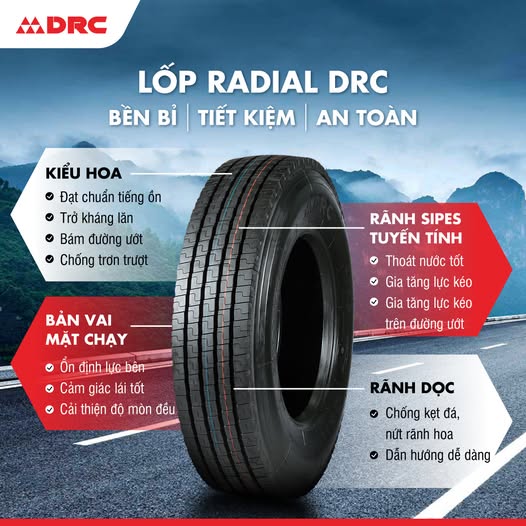
Unlike bias tires, radial tires have ply layers running perpendicular to the tire’s circumference, reinforced with steel belts that distribute contact pressure more evenly. This makes them the popular choice for long-haul trucks and container transport.
Advantages:
- Up to 10–15% fuel savings thanks to lower rolling resistance.
- Higher durability, more even wear, better heat dissipation under continuous operation.
- Smooth and stable at high speeds, improving driver comfort on long trips.
- Better traction and water evacuation, increasing safety in wet conditions or hard braking.
Disadvantages:
- Higher initial investment compared to bias tires.
- Requires consistent pressure checks to maximize performance.
DRC radial tires are recommended for tractors, heavy trucks, and container transport — where stability, fuel savings, and durability matter most.
4. Classification by Application
To choose the right heavy truck tire, define your vehicle’s primary operating environment.
4.1. Highway Tires
- Smooth rib patterns with longitudinal grooves for effective water drainage.
- Prioritize comfort, reduced rolling resistance, and fuel savings.
- Suitable for trucks and container vehicles running long distances.
4.2. Mixed Service Tires
- Strong construction with deeper tread; capable of handling both paved roads and job sites.
- Ideal for trucks transporting materials like sand, stone, cement.
4.3. Off-road Tires
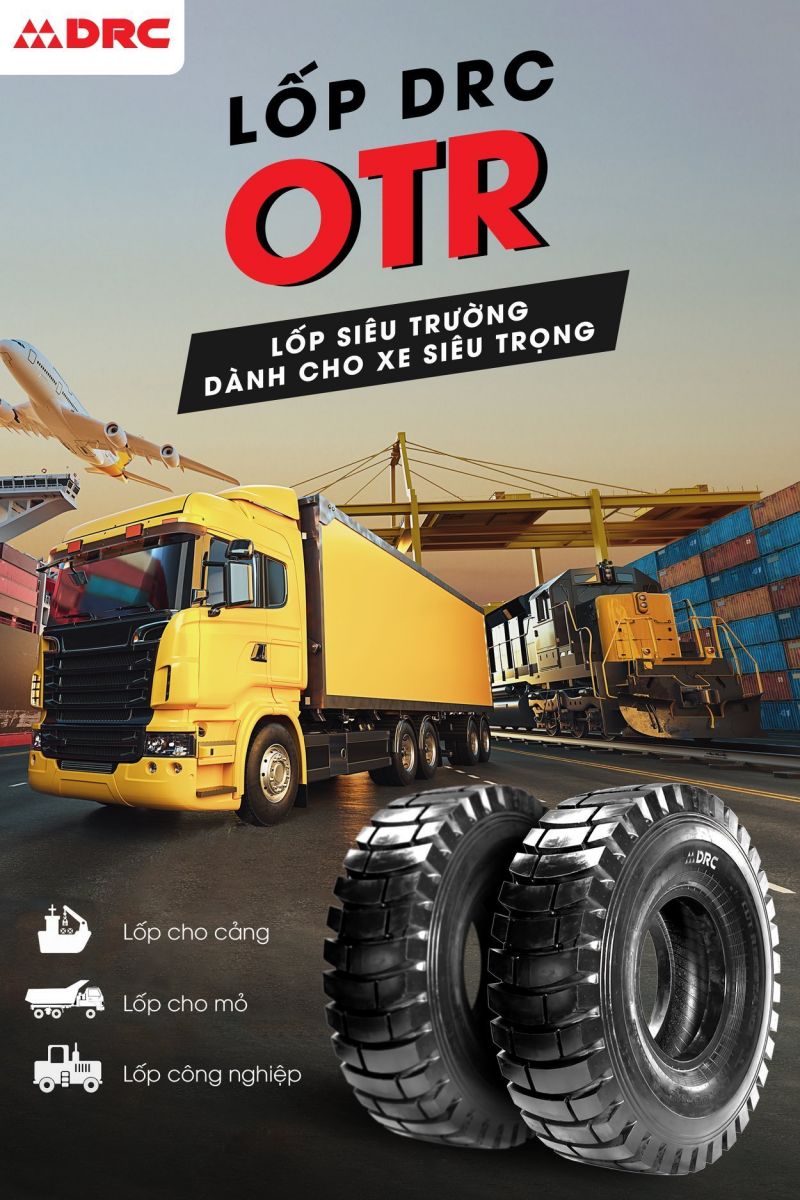
- Large tread blocks, thick sidewalls, cut- and chip-resistant.
- Designed for dump trucks, construction vehicles, and mining operations.
5. Tire Selection by Axle Position
Each axle demands specific tire performance:
| Position | Technical Features | Main Function |
| Steer Tire (Front Axle) | Rib pattern, strong directional grip | Provides handling stability and accurate steering |
| Drive Tire (Middle/Rear Axle) | Deep tread, block pattern | Increases traction and power transmission |
| Trailer Tire | Symmetrical design, even wear | Reduces rolling resistance and improves tire life |
➡️ Choosing the correct tire for each axle ensures optimal load distribution, reduced wear, and better overall performance.
6. How to Choose the Most Suitable Heavy Truck Tires
Key considerations:
- Determine the truck’s load and transported cargo.
- Choose tires based on primary road conditions (highway vs. construction terrain).
- Focus on Load Index and Speed Symbol.
- Select reputable brands such as DRC with certified quality and clear warranty.
- Perform regular tire rotation and maintain correct inflation pressure.
7. Why Choose DRC Heavy Truck Tires
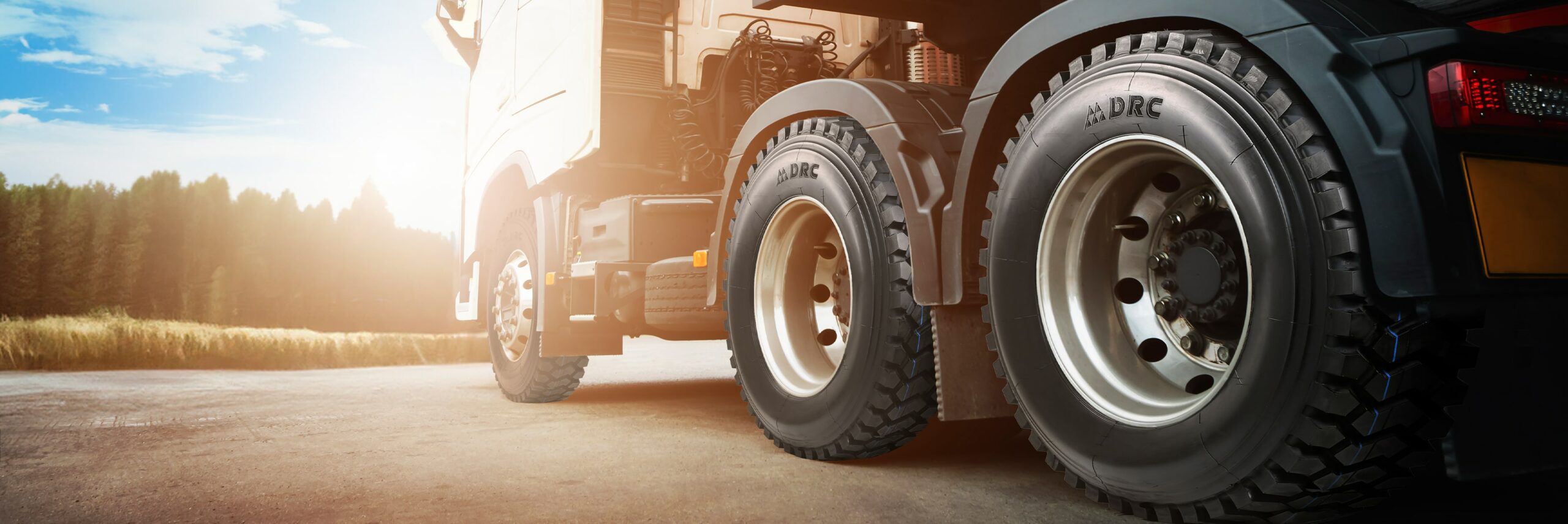
As a leading Vietnamese tire manufacturer, DRC proudly delivers heavy truck tires that meet international standards, trusted by thousands of transport businesses nationwide and exported to more than 50 countries worldwide.
Key Advantages of DRC Tire:
- Advanced steel radial technology for enhanced durability and fuel savings.
- Optimized tread design to prevent irregular wear and increase traction in all conditions.
- Long service life, lower operating cost.
- Nationwide distribution and warranty network with fast after-sales support.

DRC does not simply manufacture tires — we accompany transport businesses with durable, cost-efficient, and safe operating solutions.
Understanding the different types of heavy truck tires is a crucial factor in optimizing costs and ensuring operational safety.
Read more: How Often to Replace DRC Tires: A Technical Guide for Safety and Efficiency