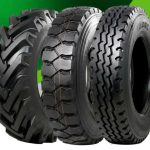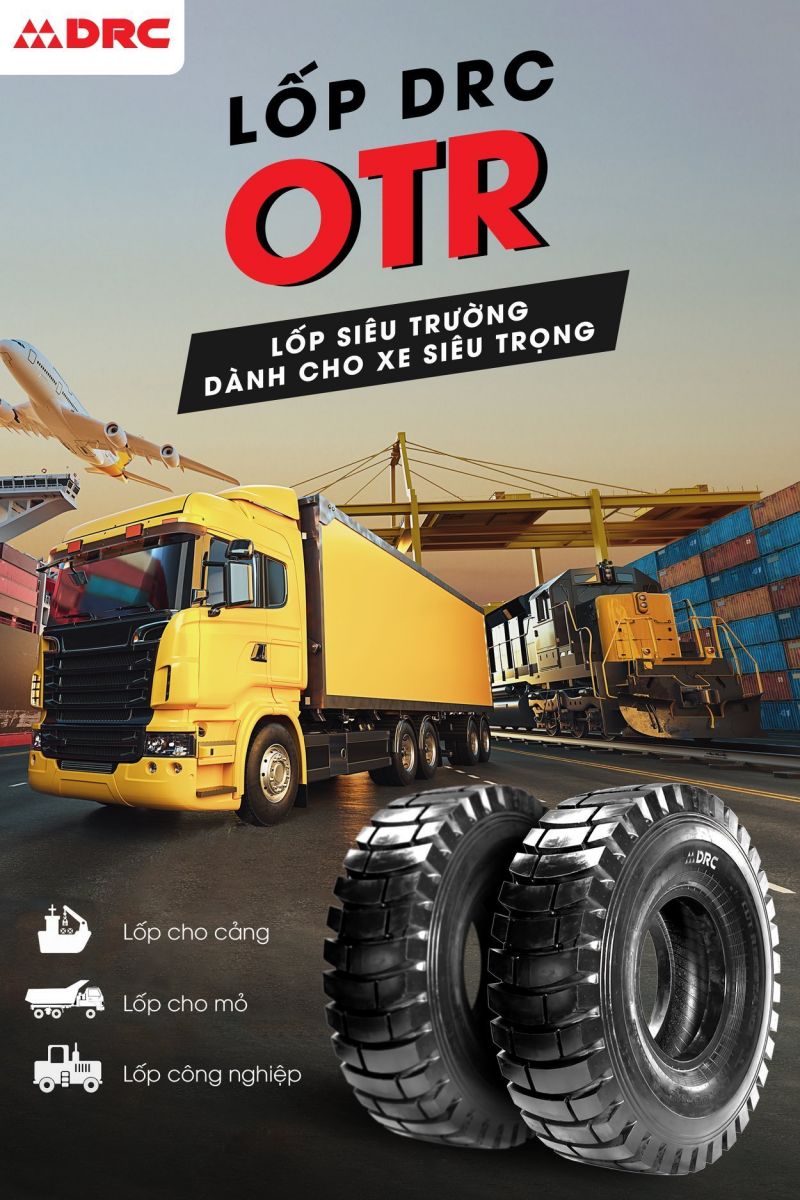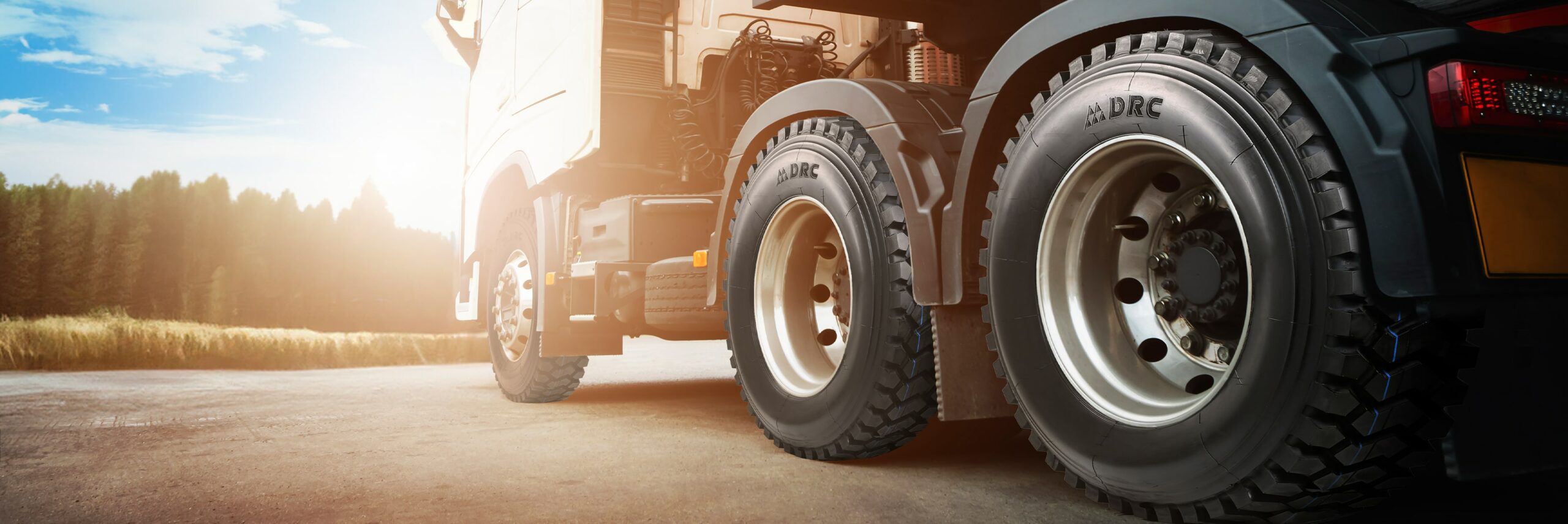

If the engine is known as the heart of a truck, the tires are the “legs” that keep it rolling across every type of road. However, many drivers and fleet owners often overlook or do not fully understand the meanings of the codes printed on tire sidewalls.
In fact, understanding how to read truck tire specifications will help you:
- Choose the right tire that matches load capacity and road conditions.
Optimize fuel cost and extend tire longevity. - Ensure safety and reduce risks of tire blowouts or uneven wear.

How to Read Truck Tire Specifications – Meaning of Each Marking
On a tire, you will commonly see a sequence like: 12R22.5 18PR D911 148/145M.
It may look complicated, but once decoded step-by-step, everything becomes clear.
1. Tire Size
Example: 12R22.5
- 12: Tire width (inches)
- R: Radial construction (steel-belted)
- 22.5: Rim diameter (inches)
➡️ This information helps identify the correct rim size and truck compatibility.
2. Ply Rating (Load Construction)
Example: 18PR — indicates the number of plies (steel or fabric layers) inside the tire.
➡️ This tells how much load the tire structure can withstand.
3. Tread Pattern Information
Example: D911
- D: Represents the DRC brand
- 911: Tread pattern code (D911 = traction-enhanced block pattern)
➡️ Helps identify tire pattern type and confirms genuine DRC Tire product.
4. Load Index
Example: 148/145
- 148: Maximum load when used as a single tire
- 145: Maximum load when mounted in dual configuration
➡️ The higher the number, the greater the loading capability.
5. Speed Symbol
Example: M
Each letter corresponds to a safe maximum operating speed.
M = 130 km/h
6. DOT – Manufacturing Date Code
Example: DOT 2325
- 23 = Week of manufacture
- 25 = Year of manufacture → 2025
➡️ Helps determine tire age and plan replacement after 5–6 years of use.
7. Other Common Markings
- Tubeless / Tube Type: With or without inner tube
- Traction / Temperature / Treadwear: Grading for grip, heat resistance, and wear performance
Common Mistakes When Tire Markings Are Ignored
- Installing wrong tire size → steering instability, increased fuel consumption
- Overlooking load index → overload risk, unsafe for long-distance hauling
- Not checking production date → using expired tires increases accident risk
Recommendations from DRC
- Always follow OEM guidelines when selecting truck tires.
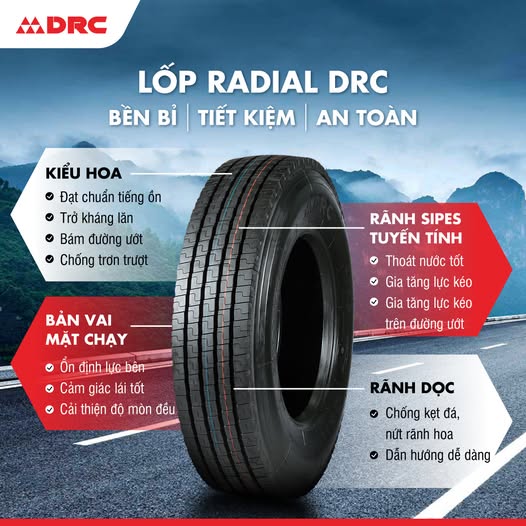
- For heavy loads or rough terrain, choose DRC radial tires with durable tread design and high load capacity.
- Regularly check recommended inflation pressure and tire condition to maintain optimal performance.
Understanding how to read truck tire markings not only helps you select the correct product but also improves safety, lowers operating costs, and enhances vehicle efficiency. Truck tires are not just another component – they are your reliable partner on every journey.
Read more: How to Identify Genuine DRC Tires: Essential Tips to Avoid Counterfeit and Low-Quality Products