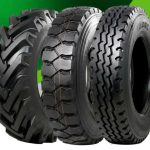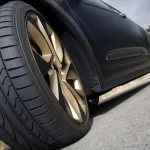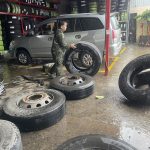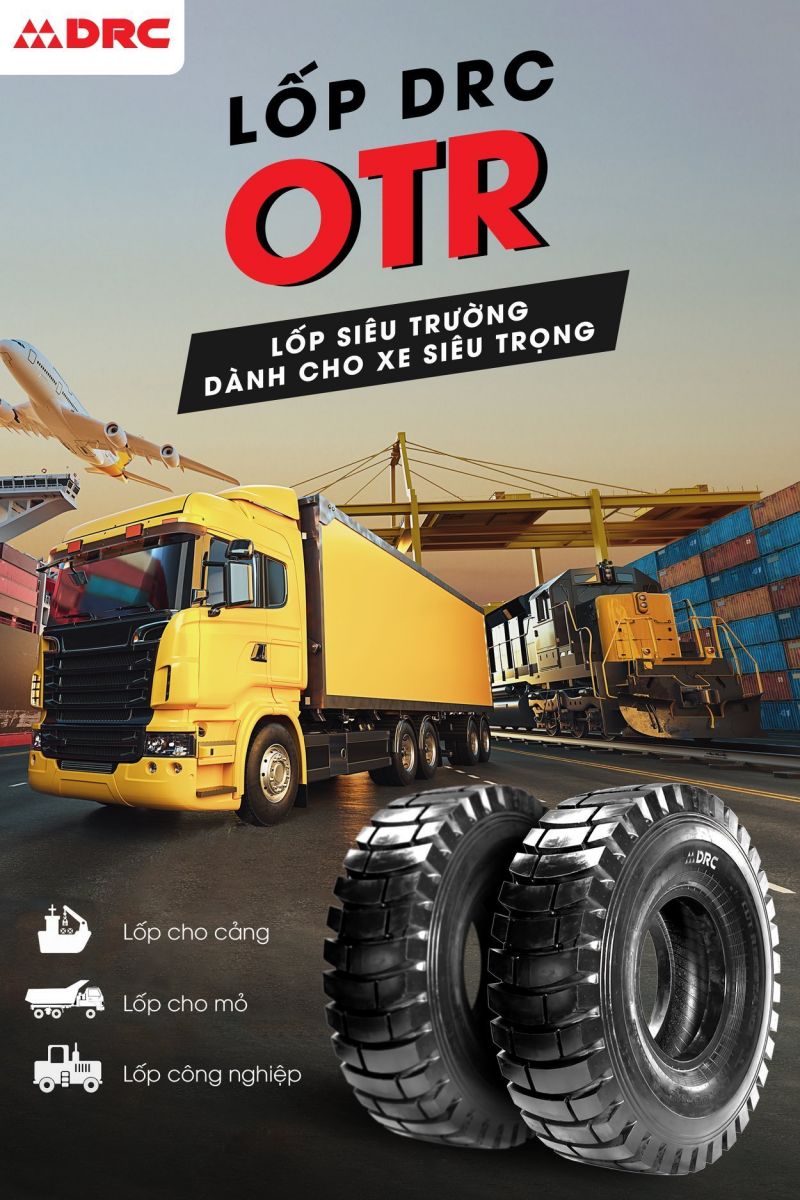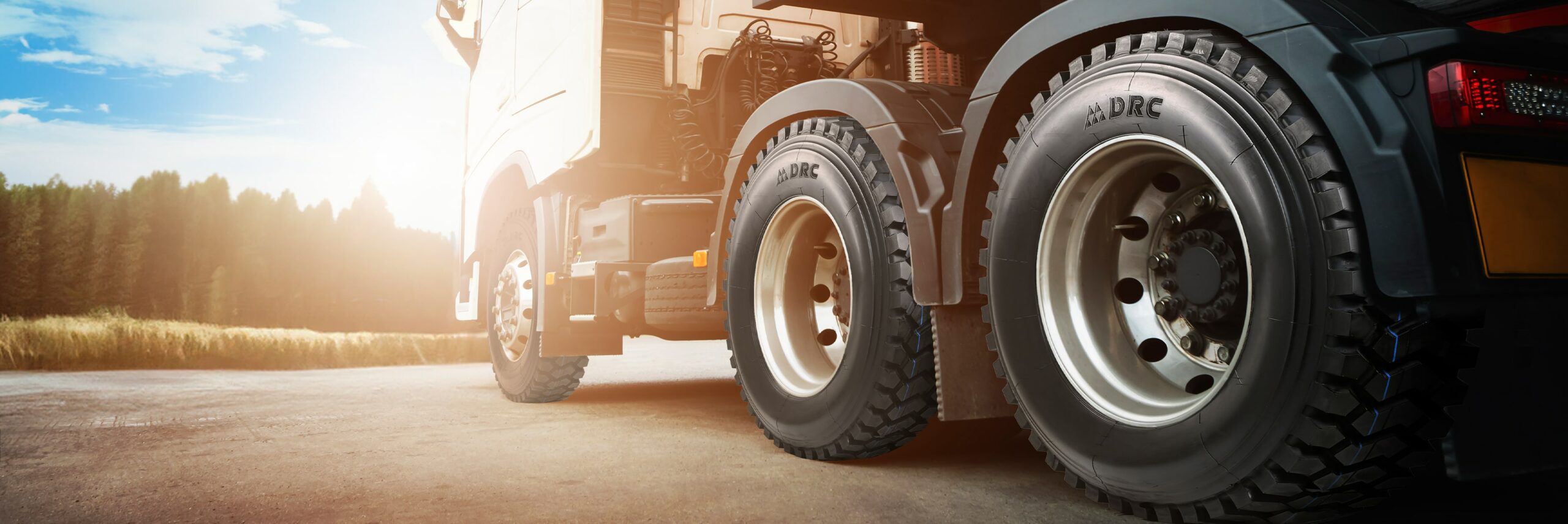

Mastering the correct techniques for Inspect and Replace DRC Truck Tires is extremely important. Tires not only bear the entire load of the vehicle but also directly affect safety, braking performance, road grip, and fuel consumption.
As a leading tire manufacturer in Vietnam and the region, trusted for decades, DRC is well-known for its durability and superior load-bearing capability, optimized for harsh operating environments and various terrains. However, to fully optimize the performance of DRC tires, users must clearly understand the proper inspection and replacement process.
There are 5 essential steps for inspecting and replacing DRC truck tires according to technical standards – practical knowledge that every driver should master to ensure safety and reduce operating costs.

1. Check Tire Pressure – The First Step You Must Not Skip
One of the most common causes of rapid tire wear is incorrect tire pressure. Maintaining appropriate pressure helps stabilize tire performance, ensure even load distribution, and reduce fuel consumption.
- Underinflated tires: Increase contact area with the road, generate excessive heat, and may cause belt separation, bulging, or even blowouts at high speeds.
- Overinflated tires: Reduce road grip, cause rough driving, and lead to faster wear at the center of the tread.
Tire pressure should be checked at least once a week or before long trips. Use a digital pressure gauge for more reliable results than visual estimates.
Each DRC tire model has a recommended pressure rating, printed on the sidewall or included in the vehicle’s technical specifications. Maintaining correct pressure can increase tire lifespan by 25–30% while improving fuel efficiency.
2. Observe and Evaluate the Tire Surface Condition
After checking tire pressure, the next step is visual inspection — an important process for early detection of potential damage.
Watch out for the following signs:
- Uneven wear: Often due to incorrect alignment (toe, camber, caster) or unbalanced load distribution.
- Fine cracks: Resulting from rubber aging or prolonged exposure to sunlight.
- Bulges: Occur after strong impacts (potholes, sharp rocks), indicating internal belt separation.
- Embedded objects: Nails, steel fragments, or stones that may cause slow air leakage.
If abnormalities are found, avoid driving at high speeds. Advanced diagnostic tools such as tire X-ray scanners can detect internal separations or rim deformities that are invisible to the naked eye.
3. Measure Tread Depth – Key to Braking and Safety
Tread depth determines road grip and water evacuation ability. According to safety standards, tread depth must be at least 1.6 mm. Below this limit, braking efficiency and wet traction decrease significantly – extremely dangerous in heavy rain or slippery road conditions.
Ways to check tread depth on DRC truck tires:
- Use a tread depth gauge — place it in the center tread grooves to measure the remaining depth.
- Inspect TWI indicators (Tread Wear Indicators) — if tread is level with these bars, the tire must be replaced immediately.
To ensure consistent wear, rotate tires every 20,000–25,000 km, helping prolong service life before replacement is needed.
4. Inspect the Rim, Valve, and Overall Tire Structure
Not only the tread, but also the rim and valve play an important role in maintaining airtightness and tire stability.
Check the valve:
- Ensure no air leaks, cracks, or hardening.
- Replace the valve when installing new tires for maximum sealing.
- Consider using pressure-indicating valve caps for quick visual checks.
Check the rim:
- Bent or rusty rims and contamination with oil or grease can cause air loss and imbalance.
- Clean the rim surface and inspect the bead area for proper sealing before mounting the tire.
Neglecting these details may result in constant refilling or hidden irregular wear, reducing tire life.
5. Replace Tires Correctly – Ensure Safety and Performance
When tread wear reaches limits or major structural damage appears, replacement is mandatory. Tire replacement is not just remove and install – it must follow DRC standard procedures:
| Step | Description |
| 1 | Park on a flat surface, apply the parking brake, and block the wheels. |
| 2 | Use a hydraulic jack to lift the wheel; loosen nuts diagonally to avoid rim distortion. |
| 3 | Check the rotation direction printed on the sidewall. Incorrect installation reduces traction and water evacuation. |
| 4 | Tighten nuts in a star/diagonal pattern with the correct torque. |
| 5 | Perform wheel balancing to prevent vibration at high speeds. |
6. When Should You Replace DRC Tires Even if Tread Remains?
Many drivers assume that tread depth is the only factor – but that is not entirely correct.
Replace tires immediately if:
- Tire age exceeds 5 years: Rubber begins to harden and lose elasticity.
- Cracks appear on the sidewall: Result of oxidation, heat, or chemical exposure.
- Vibration during acceleration: Indicates internal structure deformation or belt shift.
- Multiple repairs, especially on sidewall/shoulder areas: Reduced load-bearing capability and higher risk of separation.
Remember: The cost of a new tire is always cheaper than the cost of an accident.
7. Tips to Extend the Lifespan of DRC Truck Tires
To maximize tire performance, apply these additional practices:
- Maintain load within the recommended limit.
- Avoid hard braking and high-speed cornering.
- Wash tires regularly to remove dirt, chemicals, and oil residues.
- Store vehicles in shaded areas; slightly reduce air pressure if parked long-term.
- Always carry genuine DRC spare tires with matching sizes and models.
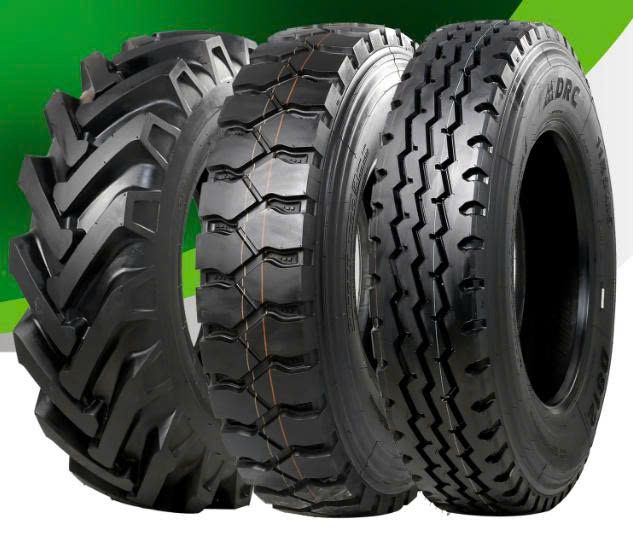
Understanding and applying the correct Inspect and Replace DRC Truck Tires not only increases travel safety but also offers significant operational benefits:
- Increase tire lifespan up to 30%
- Save 3 – 5% on fuel consumption
- Reduce unexpected downtime and repair costs
- Maintain stability and road grip in all working conditions
Truck tires are not just wear-and-tear items — they are the “legs” of the vehicle, a key factor ensuring safe, efficient, and sustainable transportation operations.