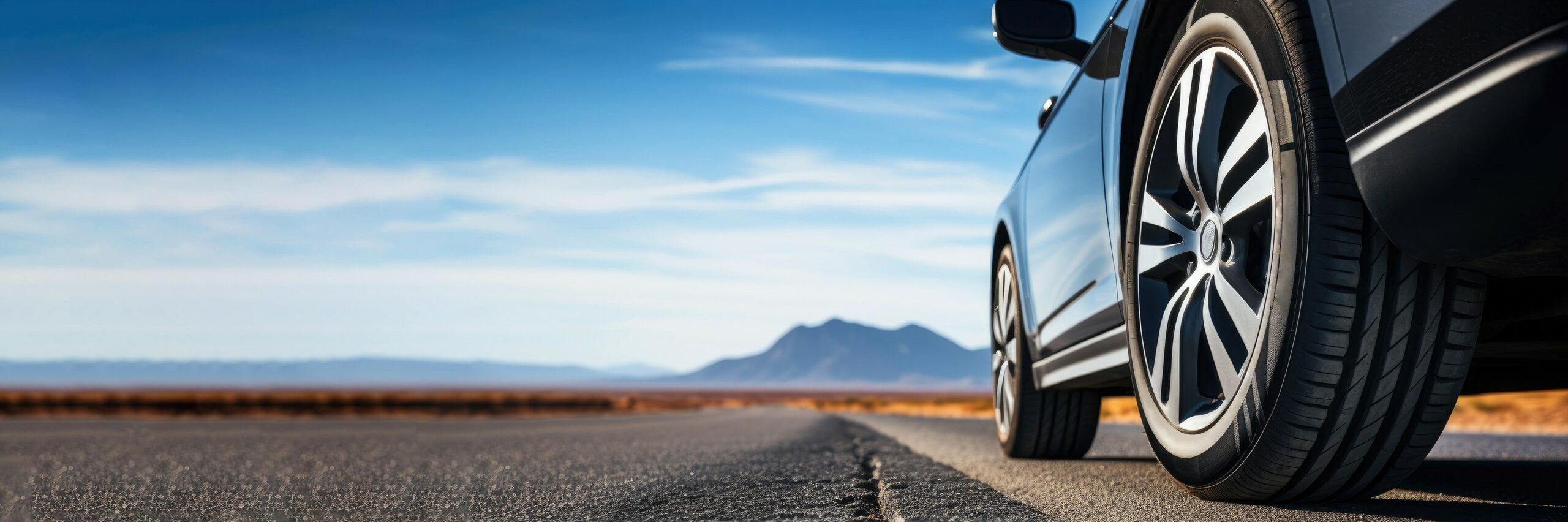
When you look at a tire, the first thing you notice is the pattern of grooves and rubber blocks – the tire tread. Its function is far beyond aesthetics. Understanding the Role of Tire Treads is essential, as they play a critical part in helping your vehicle maintain traction and stop safely when needed.
1. What Are Tire Treads? Basic Structure You Need to Know
Tire tread is a combination of grooves and rubber blocks located on the surface of the tire — the part that makes direct contact with the road. The depth, pattern, and design of these grooves are carefully engineered based on friction and aerodynamics, not random placement.

2. The Importance of Tire Treads for Safety and Performance
Many people assume every tire performs the same. In fact, tread patterns create completely different driving experiences. Here are five essential benefits that highlight the importance of tire tread:
Enhances road grip
- Tread blocks provide friction for traction and acceleration
- On dry roads: Improve contact area for stronger grip
- On wet roads: Grooves act as channels to evacuate water and prevent hydroplaning
Improves stability during cornering and sudden braking
- Shoulder tread blocks resist lateral force when cornering
- Helps shorten braking distance and prevent skidding
Reduces rolling resistance and saves fuel
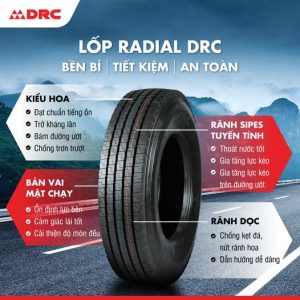
- Tires with smooth rib patterns (like DRC radial designs) lower rolling resistance
- The vehicle moves more efficiently, reducing fuel consumption
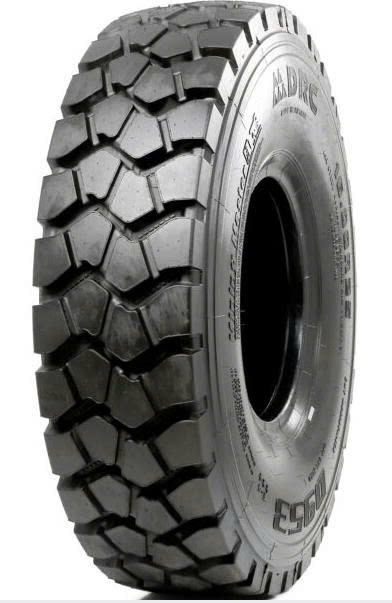
- Aggressive tread (large blocks) improves traction on rough terrain but consumes more fuel on paved roads
Dissipates heat and extends tire lifespan
- Grooves improve airflow and reduce heat buildup
- Prevents rubber from aging too fast or blowing out
- Even tread design reduces irregular wear
Minimizes road noise
- Modern tread layouts disrupt sound waves inside grooves
- Creates a quieter and more comfortable ride
3. Tips for Choosing the Right Tire Tread Pattern
Understanding the role of tire tread in road traction proves that no tread pattern fits all conditions. Select based on your typical driving needs:
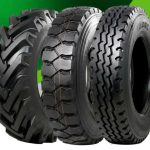
Rib (longitudinal) tread
- Grooves run along the tire’s circumference
- Advantages: Low rolling resistance, less heat, better handling, smooth ride
- Best for: Highways, long-distance transport, passenger cars
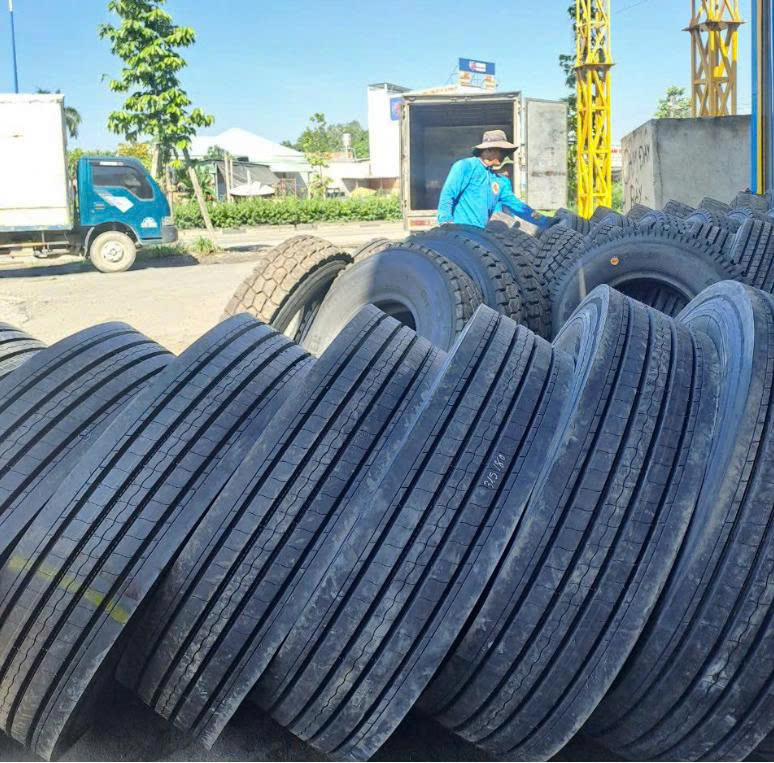
Lug (cross) tread
- Grooves run across the tread
- Advantages: Strong traction and pull power
- Best for: Heavy-duty trucks, rough terrain, steep or muddy roads (but noisier and less fuel efficient)

Block tread
- Tread divided into independent rubber blocks
- Advantages: Better grip on slippery surfaces like mud and snow
- Best for: Off-road vehicles and winter driving
Combination tread
- Longitudinal grooves in the center + cross grooves on the shoulders
- Advantages: Balanced stability and traction
- Best for: Multi-purpose vehicles on mixed road conditions

4. When to Replace Tires Based on Tread Condition
Even though tire tread is extremely important, it wears down over time. Replace your tires when:
- Tread depth reaches the wear limit (commonly 1.6 mm)
- Cracks, cuts, or missing blocks appear
- Uneven wear shows due to wrong pressure or misalignment

Tire tread plays a crucial role in safety, performance, and cost-efficiency. Choosing the right tread pattern and maintaining proper tread depth protects you, saves money, and ensures optimal driving safety on every journey. DRC Tire – Danang Rubber Joint Stock Company
Read more: Frequently Asked Questions: How Long Is the Warranty for DRC Truck Tires