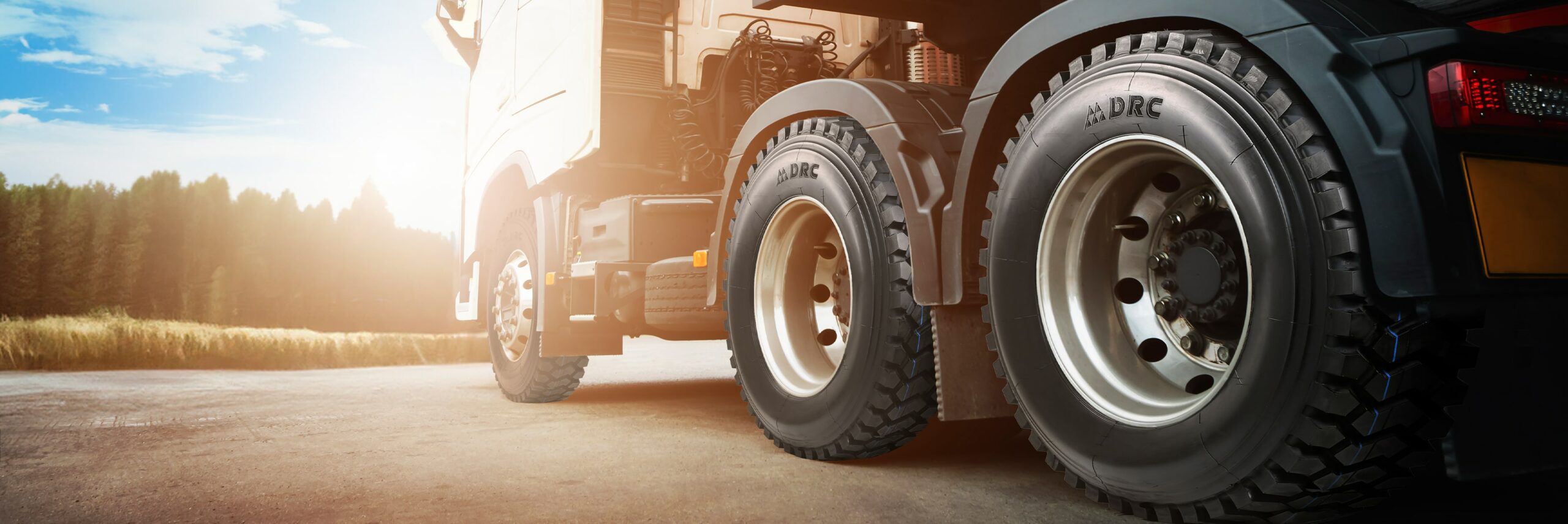

Tire noise is a common concern for many drivers, especially when traveling long distances. One of the most frequently asked questions from customers is: “Do DRC tire create noise?”
In reality, tire noise depends on several factors such as tread design, tire type, inflation pressure, and usage habits. Below, we help you better understand the causes and share practical tips to choose the right DRC tire for a quieter and smoother driving experience.
1. Why Do Tires Create Noise?
Tire noise during operation typically originates from:
Tread pattern and grooves
Large tread blocks and wide grooves often generate more noise when making contact with the road surface.
Tire pressure
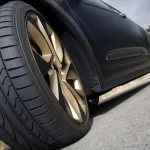
Under-inflated or over-inflated tires can cause uneven wear and significantly increase noise levels.
Road surface quality
Concrete roads, rough asphalt, and gravel surfaces can amplify tire noise noticeably.
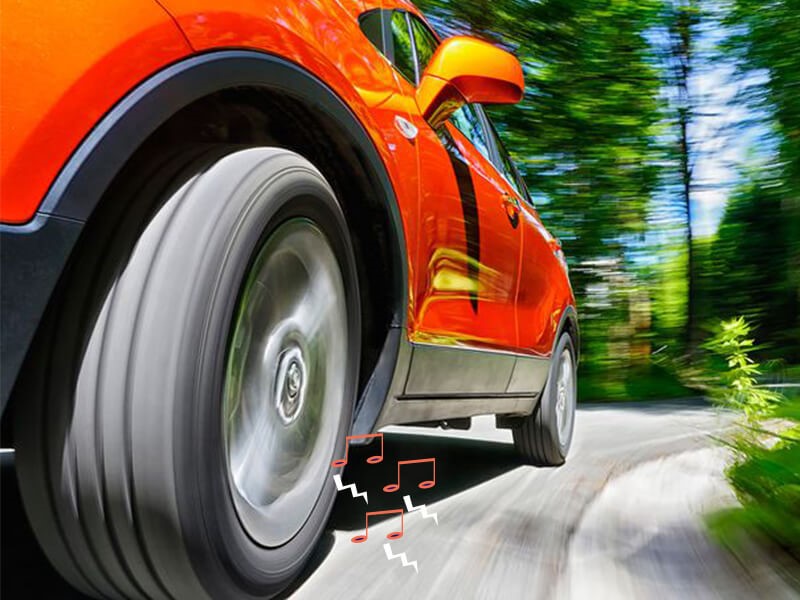
2. Do DRC Tires Create Noise?
Whether DRC tire are noisy depends on the product line and operating conditions.
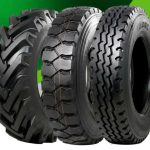
For truck and bus tires, the design focus is on load capacity, durability, and traction. These priorities can cause noise levels to be higher than those of passenger car tires.
However, DRC has continuously improved its products by:
- Optimizing tread design to reduce unnecessary friction with the road
- Using high-quality rubber compounds to minimize vibration and enhance smoothness
- Enhancing radial tire structure to reduce noise at high speeds
As a result, many DRC tire lines especially DRC radial tires provide better comfort and reduced noise compared to older bias-ply designs.

3. Tips for Choosing Low-Noise DRC Tires
To minimize tire noise during operation, drivers can follow these recommendations:
– Choose the right tire type
For long-distance driving, prioritize DRC radial tires, as their parallel steel-belt structure offers smoother and quieter performance compared to bias (cross-ply) tires.
– Select the proper tread design
- Highway & long-distance routes: choose DRC tires with smaller tread blocks and balanced water-evacuation grooves to reduce noise.
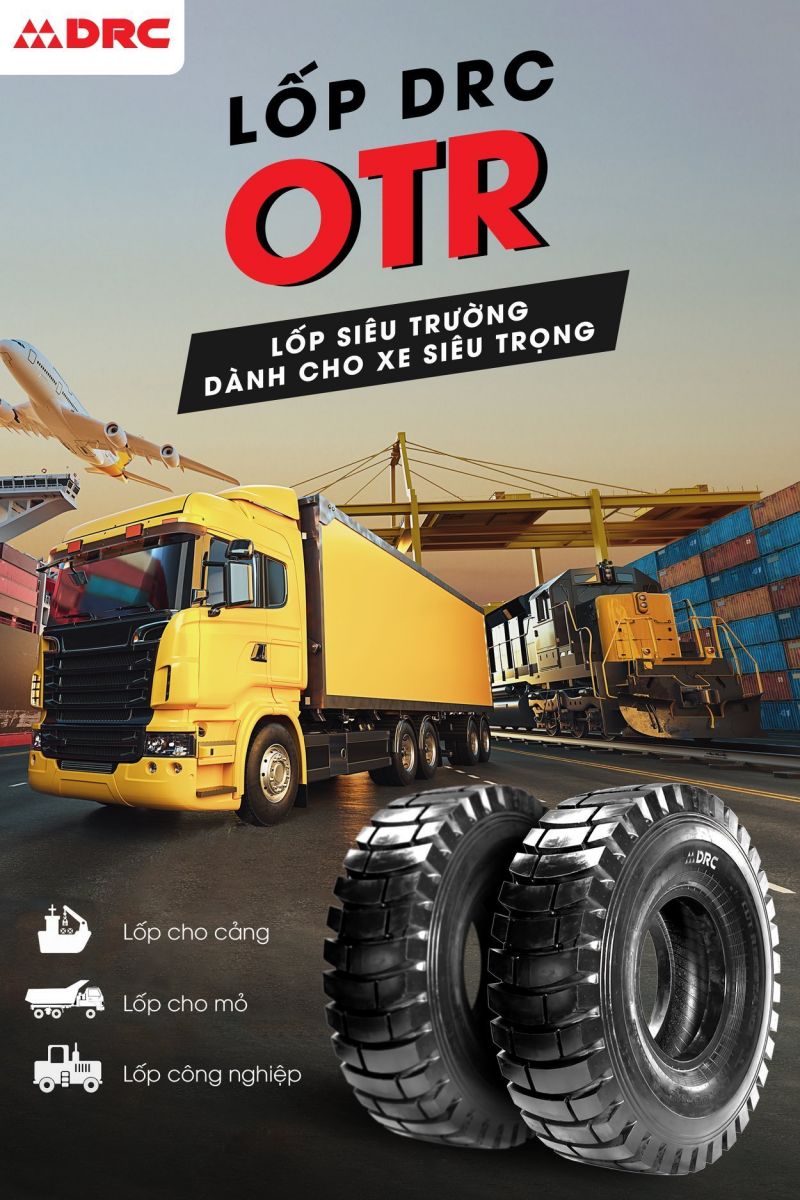
- Rough or uneven terrain: larger tread blocks may be necessary for better traction, but note that noise levels will be higher.
– Maintain proper tire pressure
Incorrect tire pressure is one of the main causes of excessive noise. Regularly check and maintain inflation pressure according to DRC’s recommendations.
– Perform regular maintenance
Uneven wear or poor wheel balancing increases noise. Remember to rotate tires, check tread wear, and perform periodic alignment and balancing.

In summary, do DRC tires create noise?
The answer is: they can but noise levels depend heavily on the tire type, road conditions, and maintenance habits.
With proper selection and care, DRC tires can offer a quiet, cost-effective, and safe driving experience on every journey.
Read more: Signs of Underinflated Truck Tires Drivers Need to Remember