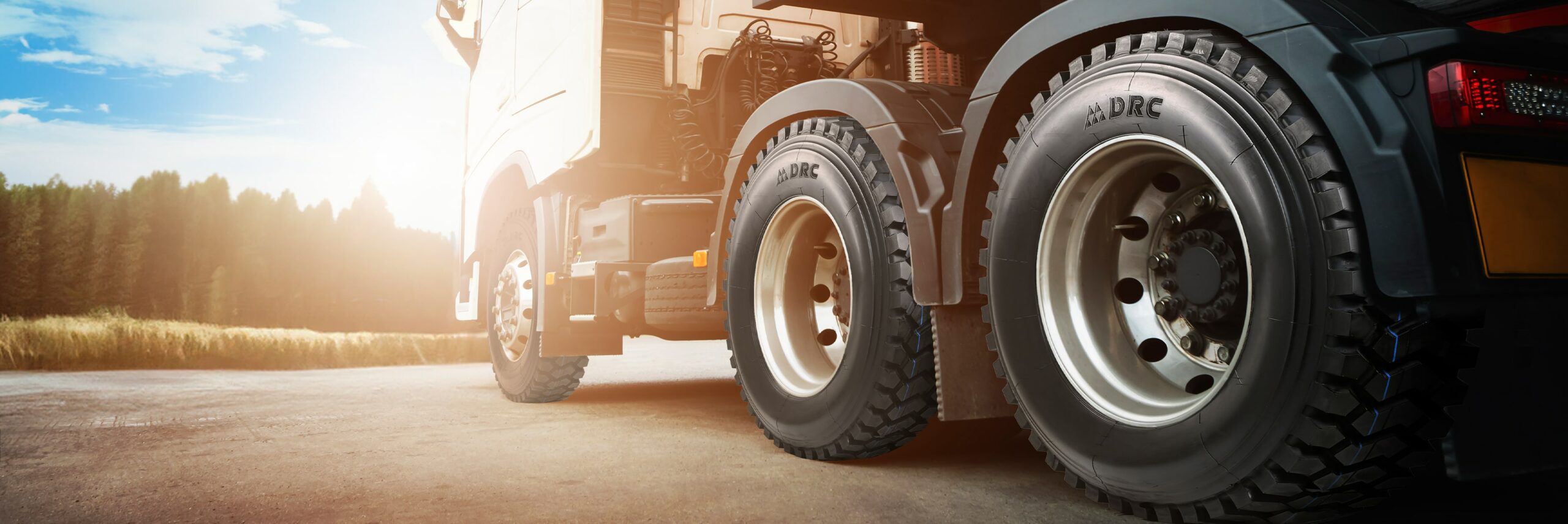

When using tires for an extended period, many drivers often ask: “How often to replace DRC tire?”
This question involves more than just tire lifespan it directly affects vehicle performance, fuel efficiency, and safety on every road condition.
This article provides technical insights from DRC specialists to help you determine the right time to replace tires and maximize your vehicle’s operating efficiency.

1. Tire Lifespan – Understand Correctly to Determine When to Replace DRC Tire
Tire lifespan depends on many factors: tire structure, rubber compound, driving conditions, driving habits, load capacity, air pressure, and even road environment.
Therefore, when discussing how often to replace DRC tire, there is no universal “fixed” number for all cases.
However, several technical benchmarks help drivers estimate the accurate replacement time.
– Average lifespan according to technical recommendations
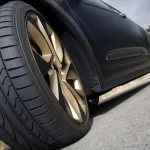
- DRC passenger car tires (PCR DriveFORCE): 40,000–60,000 km depending on road conditions and usage habits.
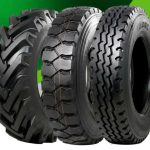
- DRC truck tires (bias & radial): 60,000–100,000 km or more if properly maintained.
- DRC motorcycle tubeless tires (DPLUS): 15,000–25,000 km.
Actual lifespan may vary by ±20–30% depending on operating conditions.
– Maximum usage time even if the tire is not worn
Even if the tire has not reached the wear limit, rubber still ages over time.
- Tires should be inspected after 5 years of use.
- After 6–7 years, even with remaining tread, drivers should replace them for maximum safety.
This is a crucial factor when determining how often you should replace DRC tire.

2. Technical Signs Indicating It’s Time to Replace the Tire
Rather than relying solely on mileage, observing real-world wear signs is more accurate.
– Tread depth reaches the TWI limit
All DRC tires feature TWI (Tread Wear Indicator) markers inside the grooves.
- Replace immediately when tread reaches TWI
(1.6 mm for passenger cars; 2–3 mm for trucks).
Worn tread increases risks such as hydroplaning, reduces grip, and can lengthen braking distance by 30–40%.
– Cracks, bulges, or delamination
Dangerous structural damage includes:
- Longitudinal cracks on tread
- Bulging sidewalls
- Aging cracks
- Rubber separation at the shoulder area
These indicate severe structural weakening → Replace immediately.
– Uneven wear caused by incorrect pressure or alignment
Common abnormal wear patterns:
- Shoulder wear: underinflation
- Center wear: overinflation
- Cupping/saw-tooth wear: incorrect wheel alignment
- Patch wear: suspension issues
This reduces tire life and affects driving stability.
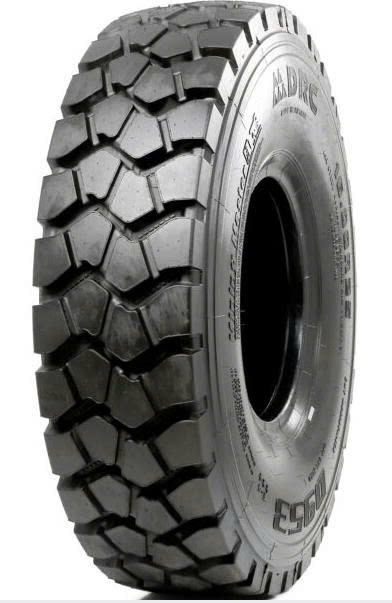
3. Factors Influencing How often to replace DRC tire?
To determine the right replacement time, consider:
– Road conditions
- Rough roads, gravel, construction sites, steep or hot environments → reduce tire life by 20–40%.
- Smooth asphalt roads → maximize tire lifespan.
– Driving habits
- Hard braking, abrupt steering, overloading → accelerate wear.
- Smooth driving, stable speed → optimal tire life.
– Tire pressure
Even with DRC’s durable rubber and reinforced structure, incorrect pressure can:
- Increase tire temperature
- Cause rapid and uneven wear
- Reduce fuel efficiency
– Load capacity
Frequent overloading causes permanent deformation, especially at the shoulder and sidewall.
Maintain proper load as indicated on the tire sidewall.
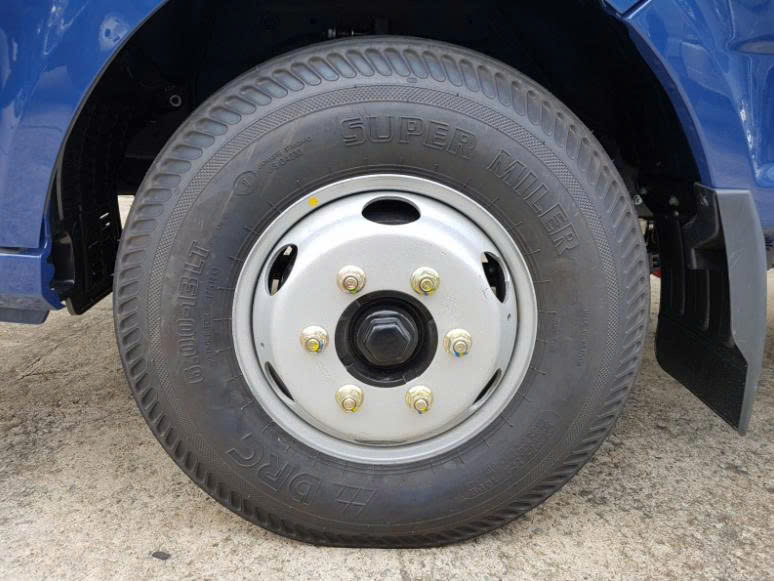
4. Periodic Inspection Process to Maximize Tire Lifespan
One of the best ways to determine how often to replace DRC tire is through proper inspection procedures.
– Weekly checks
- Tire pressure (manual or via TPMS)
- Cuts, embedded objects, trapped stones
- Shoulder wear and uneven patterns
– Every 5,000–7,000 km
- Tire rotation according to DRC’s recommended pattern
- Wheel balancing
- Wheel alignment check
– Comprehensive inspection at DRC authorized dealers
Every 10,000 km, technicians should inspect:
- Tread depth (using precision gauge)
- Sidewall condition
- Steel belt structure (for radial tires)
- Aging signs on shoulder and grooves
5. Why Should You Replace Tire at the Right Time?
Replacing tires at the correct time improves performance and enhances safety.
– Improved traction
New tires offer better water evacuation and grip, reducing hydroplaning risks in wet conditions.
– Lower fuel consumption
Worn tires increase rolling resistance → engine burns 3–10% more fuel.
– Reduced blowout risks
Especially for trucks, old tires are more likely to explode under high speed or heavy load.
– Better driving experience
New tires deliver smoother rides, better stability, and improved handling response.
Conclusion
In summary, the answer to “How often to replace DRC tire?” depends on:
- Usage time (maximum 5–6 years)
- Total mileage
- Actual wear and damage signs
- Operating conditions and driving habits
However, the most accurate method is regular inspection at DRC authorized service centers, where technicians use specialized equipment to evaluate tire health.
Read more: Common Types of Heavy Truck Tires Today: Advantages and Disadvantages