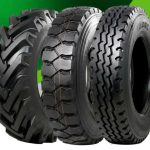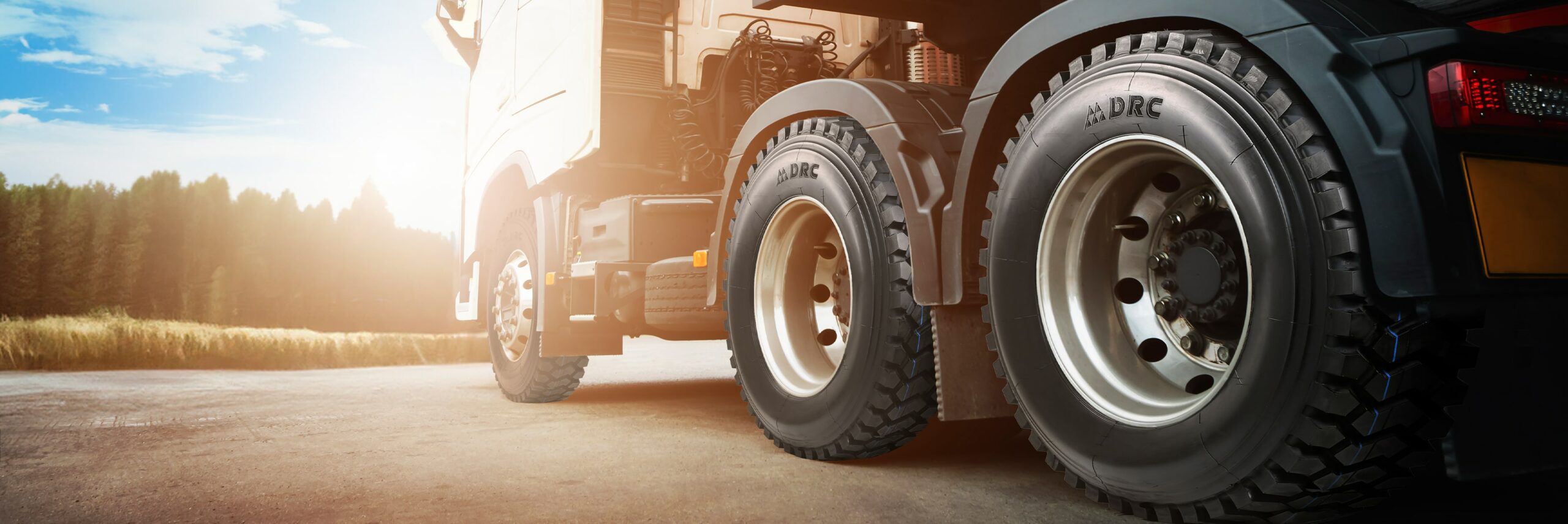

Improper tire pressure is a “silent enemy” that reduces tire lifespan, increases fuel consumption, and creates hidden safety risks. For DRC tires, engineered to optimize load capacity and performance, following the correct DRC tire inflation guidelines not only increases tire durability but also maximizes operating efficiency. This article provides a detailed, step, by, step technical procedure to ensure every trip remains safe and efficient.

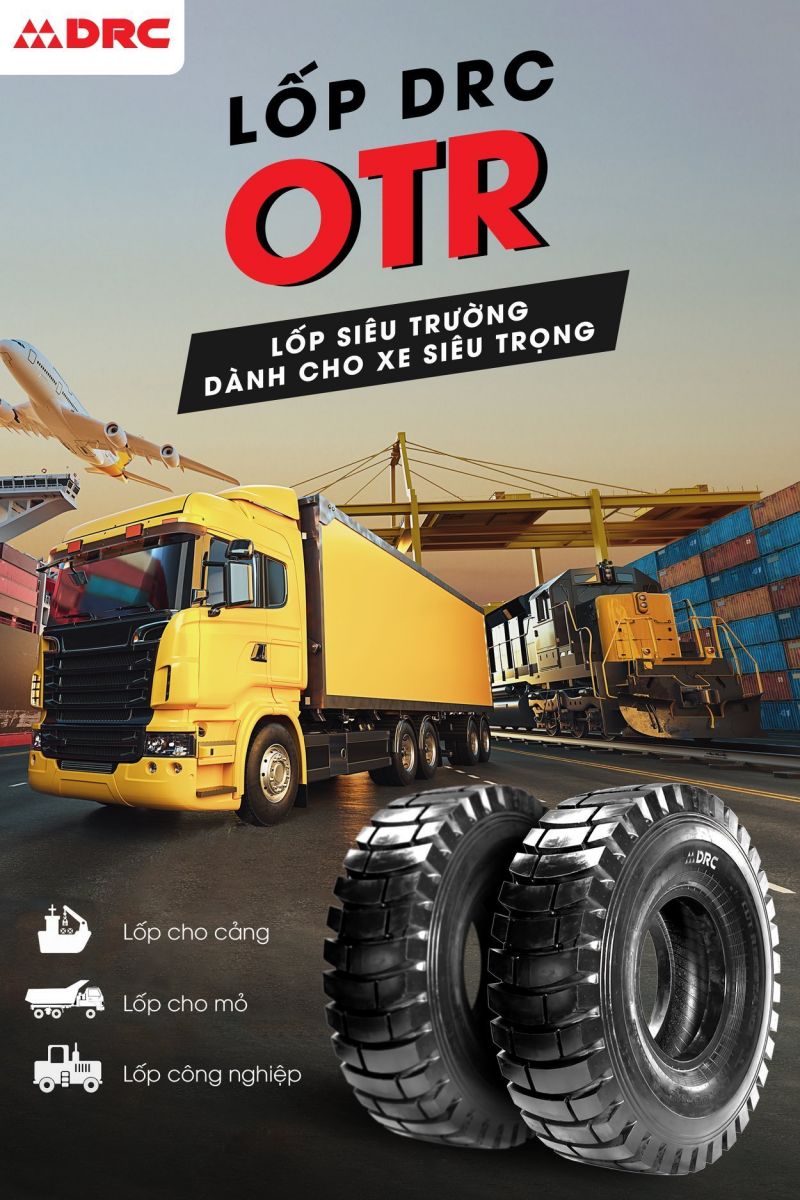
Hình ảnh lốp xe tải DRC được bơm đúng áp suất, biểu tượng cho sự an toàn và tiết kiệm nhiên liệu khi vận hành.
1. The Critical Importance of Correct Tire Pressure: A Factor That Must Not Be Overlooked!
Maintaining the correct tire pressure is not simply a recommendation , it is a mandatory technical requirement to ensure the tire operates precisely as designed by the manufacturer.
When the tire is underinflated:
The tread surface deforms and sinks, increasing the contact area and friction with the road surface. This leads to critical consequences:
- Accelerated wear: Tire temperature rises sharply; the shoulder areas (both outer edges) carry excessive load and wear rapidly , commonly referred to as “shoulder wear.”
- Increased fuel consumption: Higher rolling resistance forces the engine to work harder, leading to significantly higher fuel consumption.
- Risk of blowout: Excessive heat buildup over time can degrade the tire structure, increasing the likelihood of a sudden blowout, especially under heavy loads or high – speed operation.
When the tire is overinflated:
The contact patch becomes narrower and concentrated at the center of the tread.
- Reduced traction: Less contact with the road means poorer grip, especially dangerous during cornering or sudden braking on slippery surfaces.
- Uneven wear: The center of the tread wears faster than the shoulders.
- Harsh ride and suspension stress: Overinflated tires reduce shock absorption, causing vibration, a less comfortable ride, and added stress on the suspension system.
- Higher risk of damage: A stiff tire is more prone to cracking or impact damage when hitting sharp objects or potholes.
When the tire is correctly inflated:
The tire operates at its optimal state , balanced and uniform road contact, even tread wear, smooth performance, strong traction, and maximum fuel efficiency.
2. What Is the Standard Tire Pressure for DRC Tires? Where Can You Find It?
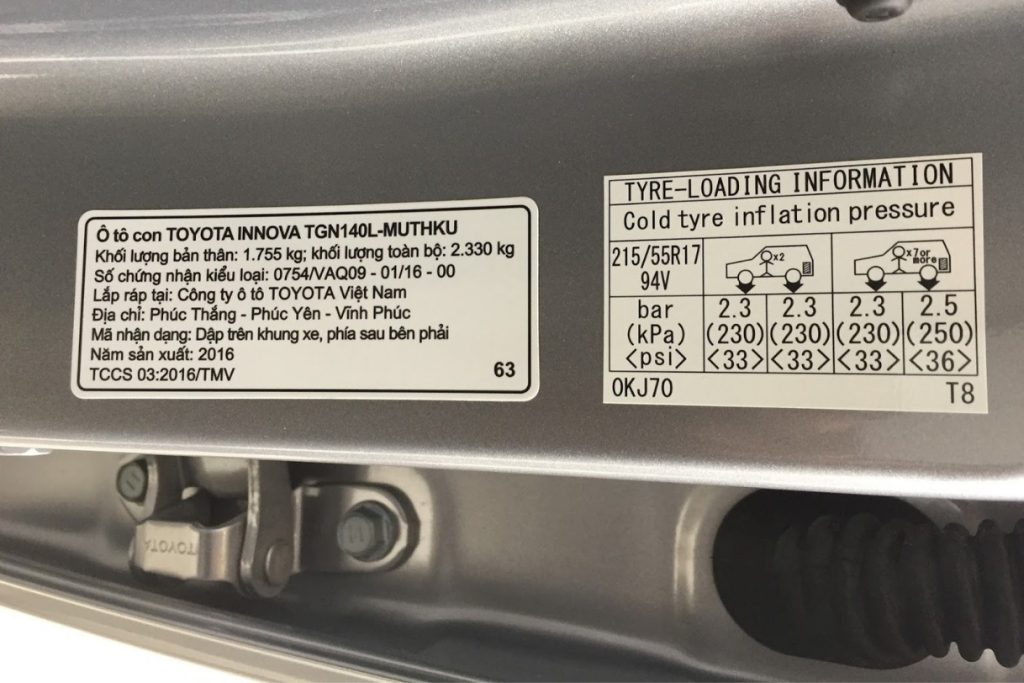
Each vehicle type, load condition, and DRC tire line has its own recommended pressure level. Never inflate tires based on assumptions or word of mouth experience.
The standard tire pressure specified by the vehicle manufacturer is typically found at:
- The sticker on the driver, side door frame.
- Inside the fuel cap.
- The vehicle owner’s manual.
Important note:
The number printed on the tire sidewall (e.g., “MAX PRESS 120 PSI”) indicates the maximum pressure the tire can withstand, not the recommended inflation pressure.
Always follow the pressure specified by the vehicle manufacturer.
3. The 5, Step Procedure for Proper DRC Tire Inflation
To ensure accurate results, follow the procedure below:
- Prepare required tools:
Use a high–quality tire pressure gauge (analog or digital) and an air compressor equipped with a pressure indicator. - Check tire pressure when the tire is “cold”:
This is the most important step. Measure pressure in the morning before driving, or after driving less than 2 km. Heat generated during driving increases internal air pressure, resulting in inaccurate readings. - Measure the current tire pressure:
Remove the valve cap, press the gauge firmly onto the valve stem, and hold until the reading stabilizes. Record the measurement. - Adjust the pressure:
Compare the measured value with the manufacturer’s recommended pressure.- If the pressure is lower, inflate until it reaches the correct level.
- If the pressure is higher, gently press the valve core to release air.
- Tighten the valve cap:
After finishing, secure the valve cap to prevent dust and moisture from entering and damaging the valve.
4. Essential Tips to Maintain Stable Tire Pressure for DRC Tires
- Regular inspections: Check tire pressure at least twice a month and always before long trips.
- Adjust for heavy loads: When carrying heavy cargo or driving long distances, increase pressure by approximately 10% (but never exceed the maximum limit).
- Use clean compressed air: Avoid air containing moisture, oil, or contaminants, as these can accelerate internal rubber degradation.
- Consider using Nitrogen: Nitrogen helps maintain stable pressure longer because its molecules escape more slowly and are less affected by temperature changes.
Conclusion
A small habit , maintaining correct tire pressure , provides significant benefits: extended tire lifespan, reduced risks, and lower fuel costs. Following proper DRC tire inflation guidelines is a vital step to ensuring every journey is safe, stable, and efficient.
Read more: 7 Essential Tire Maintenance Tips for Trucks to Optimize Performance and Extend Tire Lifespan