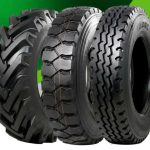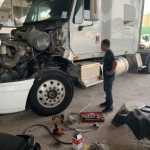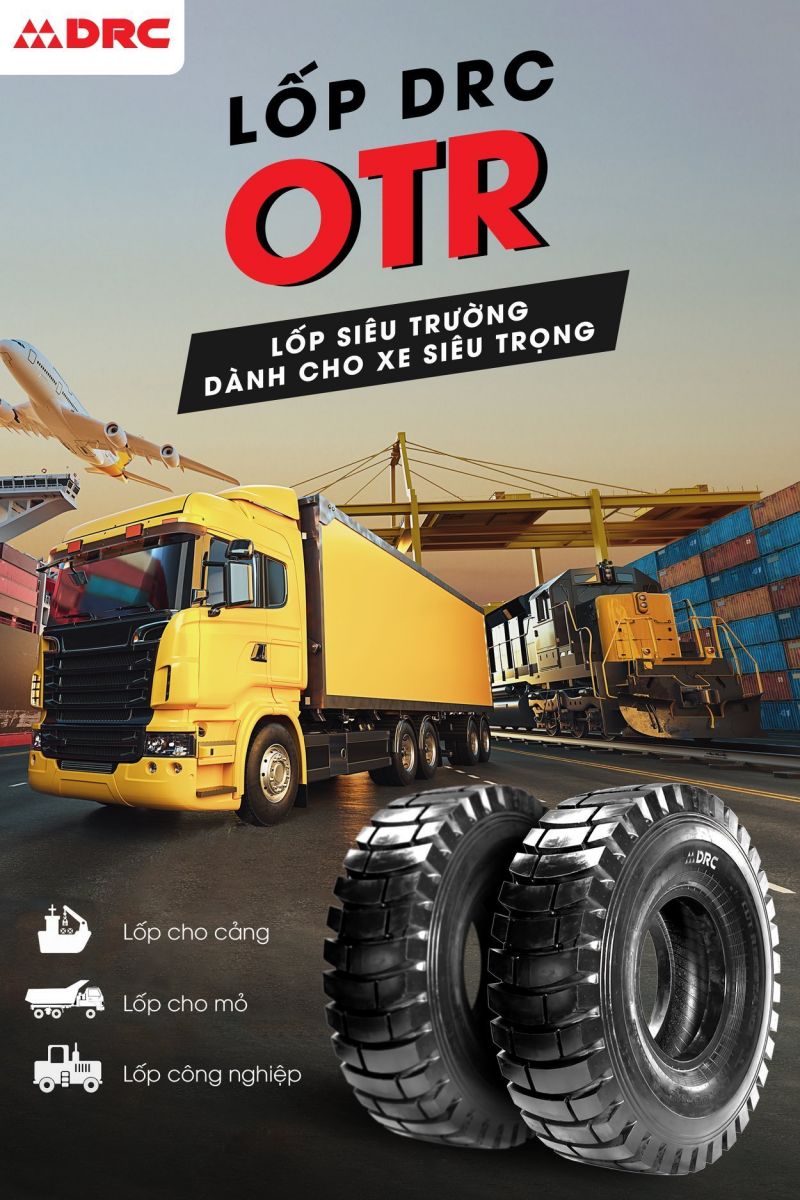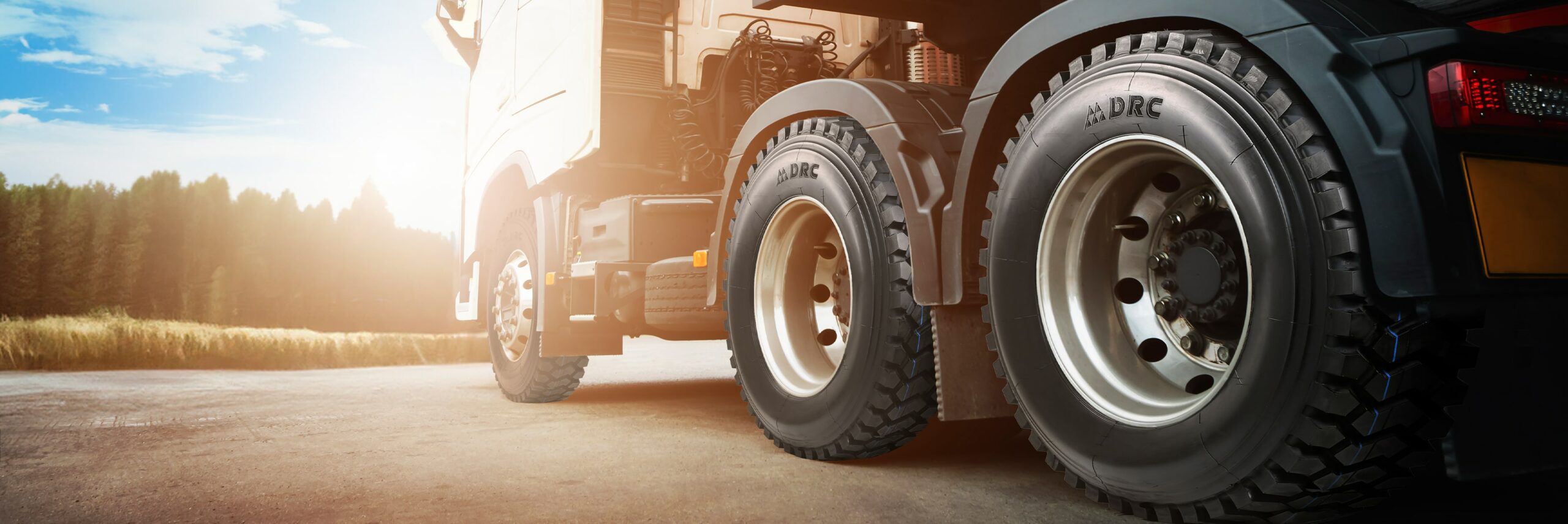

Replacing tires may seem simple, but it can lead to various risks if not performed correctly. Understanding the safe DRC tire installation procedure not only extends tire life and optimizes vehicle performance but is also a crucial factor in protecting the driver on every journey. Let’s explore the expert-approved steps in this detailed guide.
1. Why Is Proper Tire Installation So Important?
Tires are the only part of the vehicle that directly contacts the road surface. Any mistake during installation no matter how small can cause serious consequences later on:
Premature tire damage
Incorrect mounting direction or uneven bead seating leads to uneven wear, causing the tire to deteriorate quickly after a short period of use.
Reduced driving stability
Unbalanced wheels or unevenly tightened lug nuts can cause steering wheel vibration, pulling, or instability, making the driver fatigued.
Higher fuel consumption
Improper installation increases rolling resistance, forcing the engine to work harder and consume more fuel.
Safety risks
This is the most severe danger. The tire may detach from the rim or even burst at high speeds if the installation is careless.
2. The 6-Step Safe DRC Tire Installation Procedure
To ensure your new tire performs perfectly—whether you install it yourself or at a workshop—always follow these six essential steps:
Step 1: Carefully inspect the rim and tire condition
Before installation, clean the wheel rim thoroughly. Check for cracks, dents, rust, or deformation. Also inspect the new tire for any external defects or foreign objects inside.
Never install a new tire onto a damaged rim.
Step 2: Identify the correct tire rotation direction
This is a critical step in the safe DRC tire installation procedure.
On DRC tires (especially radial steel-belted lines), an arrow indicates the rolling direction.
The tire must be mounted so that when the vehicle moves forward, the tire rotates in the direction of the arrow.
Reversing this direction reduces water evacuation, traction, and increases road noise.
Step 3: Lubricate the tire bead
Apply special tire lubricant (or diluted soap water) evenly onto the tire bead and rim edge.
This helps the tire slide smoothly onto the rim, reduces bead damage during machine operation, and ensures the bead seals tightly afterward.
Step 4: Inflate the tire for bead seating and set proper pressure
First, inflate just enough air for the bead to pop and seat firmly on the rim (you will usually hear a loud “pop”).
Then adjust the pressure to the manufacturer’s recommended level.
Avoid over-inflation (causes stiffness and uneven wear) and under-inflation (causes shoulder wear and heat buildup).
Step 5: Dynamic balancing
After mounting the tire onto the rim, the wheel must be placed on a balancing machine.
The machine identifies imbalance and indicates where to attach balancing weights.
This eliminates vibration when driving at high speeds.
Step 6: Install the wheel onto the vehicle and tighten lug nuts correctly
When reinstalling the wheel, the lug nuts must be tightened in a star pattern (cross pattern).
Never tighten sequentially in a circular pattern—this can deform the rim.
Use a torque wrench to apply the proper torque:
Not too tight (risk of bolt breakage), not too loose (risk of wheel detachment).

3. Critical Mistakes That Can Cause Severe Safety Risks
Even experienced mechanics occasionally make errors that directly affect the safe DRC tire installation procedure:
Skipping wheel balancing
Many assume balancing is only needed when vibration occurs. Wrong.
New tires and rims always have weight differences.
Skipping this step causes rapid uneven wear.
Not replacing the valve stem
Whenever a new tire is installed, the valve stem should also be replaced.
Old rubber valves may crack and leak, causing gradual pressure loss without the driver noticing.
Over-inflating tires to “save fuel”
This is a misconception.
Over-inflated tires reduce contact area, lower grip, make the ride harsh, and increase blowout risk.
4. Tips to Keep DRC Tires Running Smoothly After Installation
A proper installation is just the beginning. To maintain durability, drivers should:
Regularly check tire pressure
At least twice a month and before every long trip.
Rotate tires periodically
Rotate every 8,000–10,000 km to ensure even wear and extend tire lifespan.
Check wheel alignment (Toe/Camber/Caster)
If the tire wears unevenly or the steering wheel is off-center, get alignment checked immediately.
Conclusion
Understanding and strictly following the safe DRC tire installation procedure is the best way to optimize performance, extend tire life, and ensure safety on every road.
A good tire must always be paired with a proper installation process to deliver maximum efficiency.
For professional assistance with correct installation, please visit: Official DRC Tire Service Center List.
Read more: Truck Tire Maintenance Tips to Maximize Fuel Efficiency