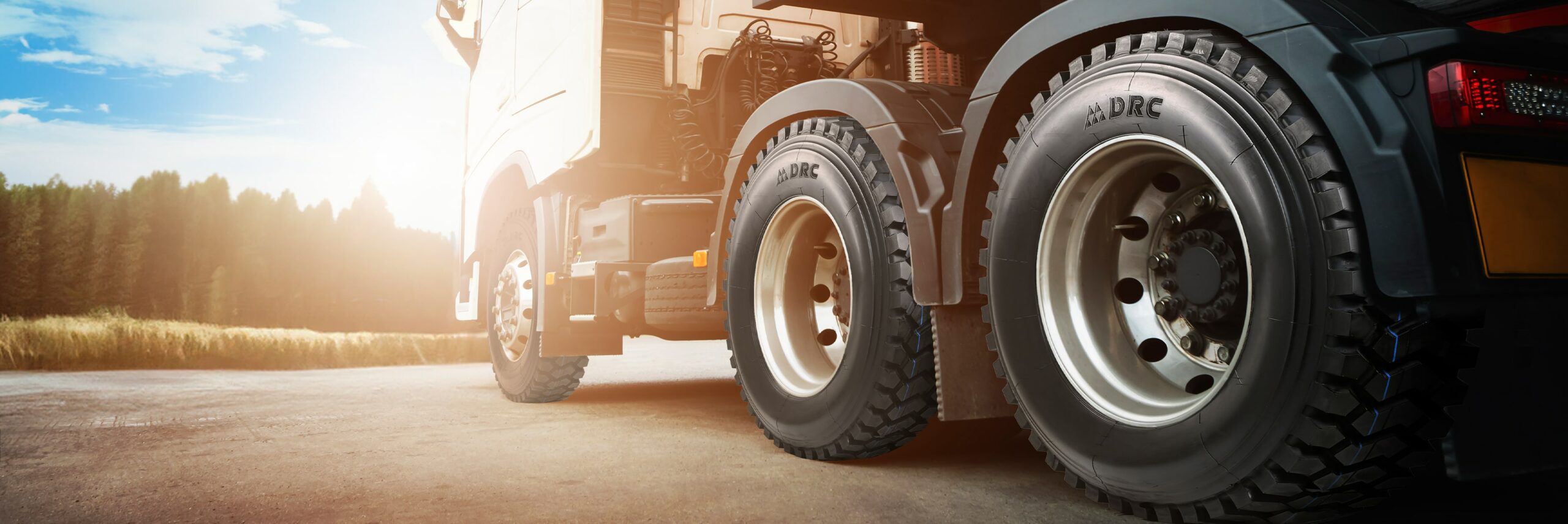

What is tire pressure ?
Simply put, tire pressure is the amount of compressed air inside the tire, measured in PSI (pound/inch²) or kPa (kilopascal). This is the key factor determining whether the tire is “properly inflated” to support the vehicle load and maintain traction.

If tires are the “muscles” of the vehicle, then tire pressure is the “strength” inside. Without correct tire pressure, even the most advanced vehicle cannot operate safely and efficiently.
Why is tire pressure so important?
Directly related to tire lifespan
- Underinflated tires: Larger contact area with the road → more heat generation → faster wear
- Overinflated tires: Only the center area contacts the road → uneven wear → reduced grip
Affects fuel consumption
- With underinflated tires, rolling resistance increases → the engine works harder → more fuel is burned
- According to many recommendations, just 20% lower than the recommended pressure can increase fuel consumption by 5–10%
Ensures driving safety
- Proper tire pressure helps maintain traction, stability when cornering, or sudden braking
- Incorrect pressure increases the risk of losing control, especially on highways or when carrying heavy loads
How to determine the correct tire pressure
Check the tire sidewall or tire label for the manufacturer’s recommended pressure.
For trucks, tire pressure also depends on:
- Vehicle load
- Tire position (front axle, rear axle)
- Tire type (tube-type or tubeless, Radial or Bias)
All DRC tire lines include clear recommended pressure specifications for drivers to follow.
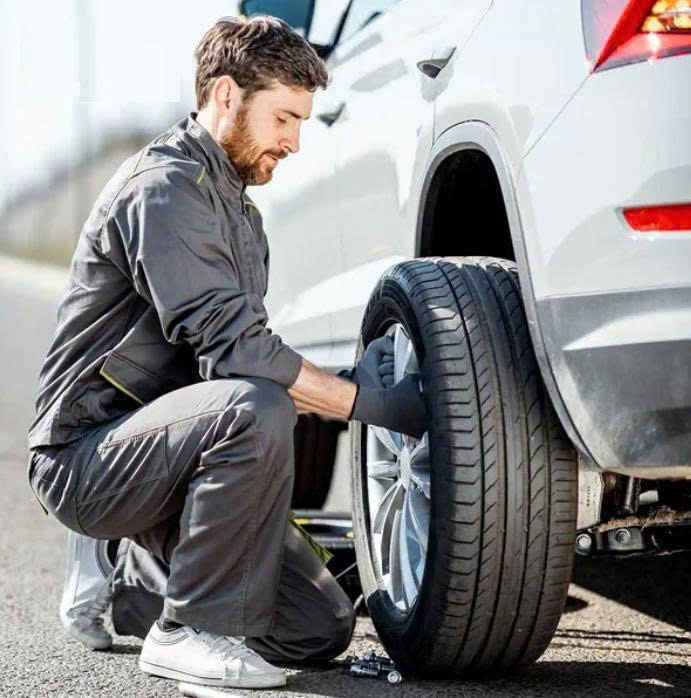
Common mistakes when checking tire pressure
- Judging pressure by sight: Very inaccurate because both low and high pressure are hard to notice visually
- Not checking regularly: Many drivers only inflate when tires look soft, while pressure should be checked at least every 2 weeks
- Checking pressure when tires are hot: Heat increases pressure and causes incorrect readings
Tips to optimize tire lifespan and save fuel
- Equip a tire pressure gauge or TPMS sensor for quick monitoring
- Inflate tires to the exact recommended pressure, avoid guessing
- For long-haul trucks, check tire pressure before every trip to reduce risks and fuel waste
By understanding what tire pressure is and maintaining the recommended level, drivers can extend tire lifespan, reduce fuel costs, and enhance safety on every journey. Properly inflated tires not only protect the vehicle but also ensure peace of mind throughout the trip.
Read more: Comparison Between New DRC Tires and DRC Retread Tires: Advantages and Real-World Durability